

















The Science of Scent
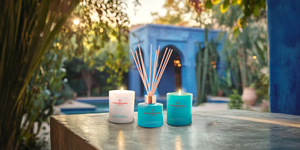
At CRANBOURN®, we understand fragrance as the convergence of science and sensory perception.
Olfactory perception begins before birth and remains one of our most influential sensory systems, shaping how we interpret space, environment, and memory throughout life. From early childhood, scent becomes intrinsically linked to place and experience, guiding our instinctive responses to atmosphere. Through this understanding, we compose fragrances that bring balance and harmony to interior environments — measured, intentional, and refined.

Enhancing Atmospheres
From the outset, our founders have been attentive to the ways scent and botanical materials shape environments and influence human perception. They recognised that a single, well-resolved fragrance can alter the character of a space — regulating atmosphere, presence, and sensory balance. These composed Atmospheres™ form the foundation of our approach to Sensory Wellbeing™.
Scent leaves a durable imprint. Long after an experience has passed, a familiar fragrance can reactivate memory, emotion, and an immediate sense of place. This enduring connection informs how we compose — designing fragrances that resonate quietly within interiors, embedding themselves in experience rather than overwhelming it.

Botanical Materials in Perfumery
At CRANBOURN®, the art of fragrance begins with a rigorous understanding of natural materials — botanicals, aromatic plants, and the cultural knowledge that has shaped their use over time. Only through this grounding can the precision and craft of modern perfumery be meaningfully applied.
Our olfactory journeys are rooted in research and observation, examining the properties of plants and essential oils, their role within cultural practices, and their enduring influence on sensory perception. These insights inform how we compose Atmospheres™ — fragrances designed to support Sensory Wellbeing™ through considered, spatially resolved scent.

Fragrance and Cultural Heritage
For millennia, cultures around the world have used fragrance to shape environments and influence human behaviour, recognising scent as a powerful tool in defining atmosphere and experience.
Local olfactory traditions have evolved in response to the availability of native botanicals and their aromatic compounds. These materials may be used in their raw form, or refined and combined with other essential oils to construct more complex, layered compositions — each reflecting a distinct relationship between material, place, and sensory perception.

The Essence of Fragrance
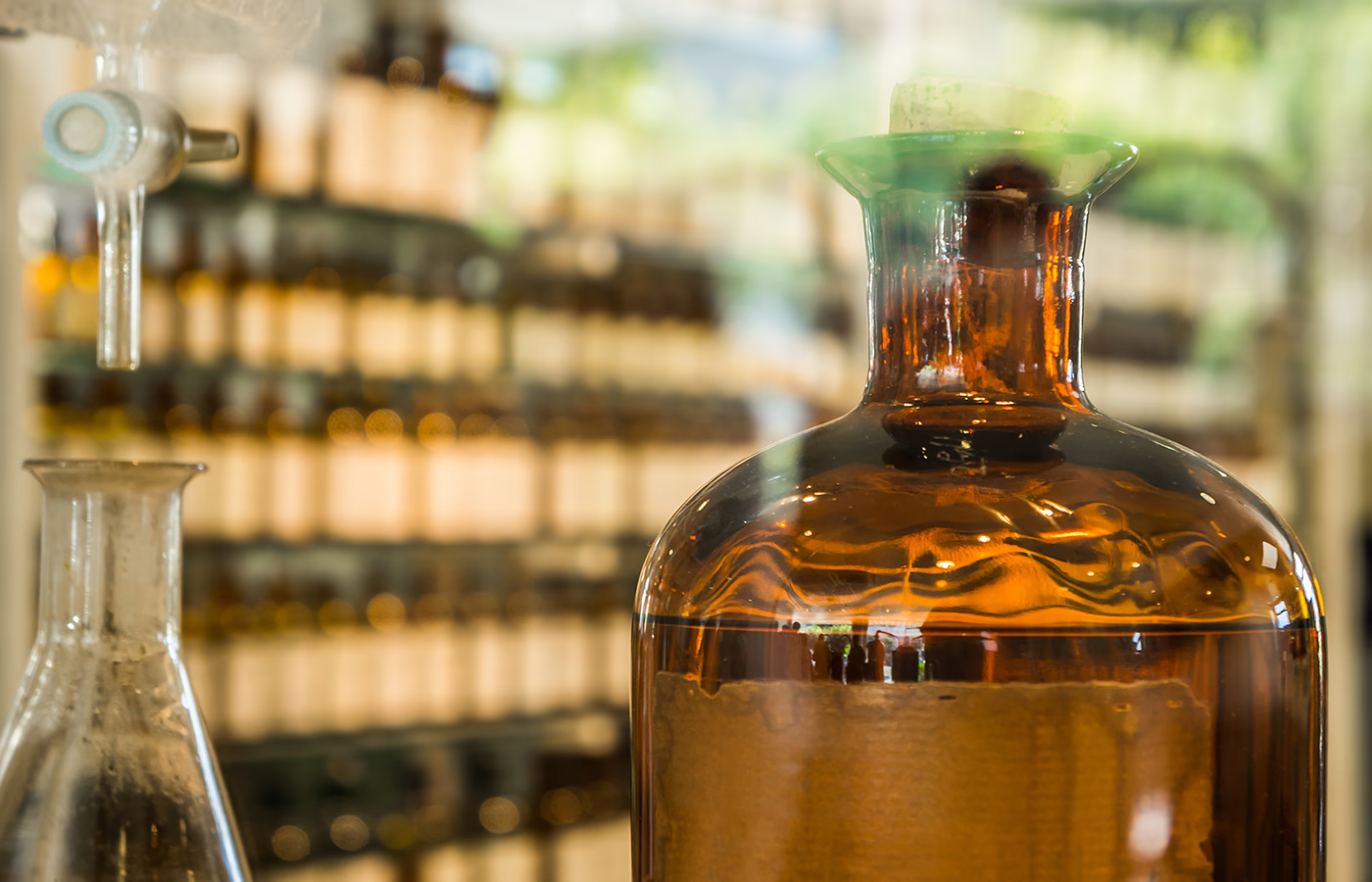
At CRANBOURN®, the essence of fragrance is rooted in a rigorous understanding of botanicals and their essential oils — informed by historical apothecary knowledge and resolved through modern scientific precision.
Each product is composed using high-quality, botanically derived essential oils, selected for their aromatic character and functional properties. Together, these materials are structured to support sensory balance and contribute to Sensory Wellbeing™ through considered, measured atmosphere.
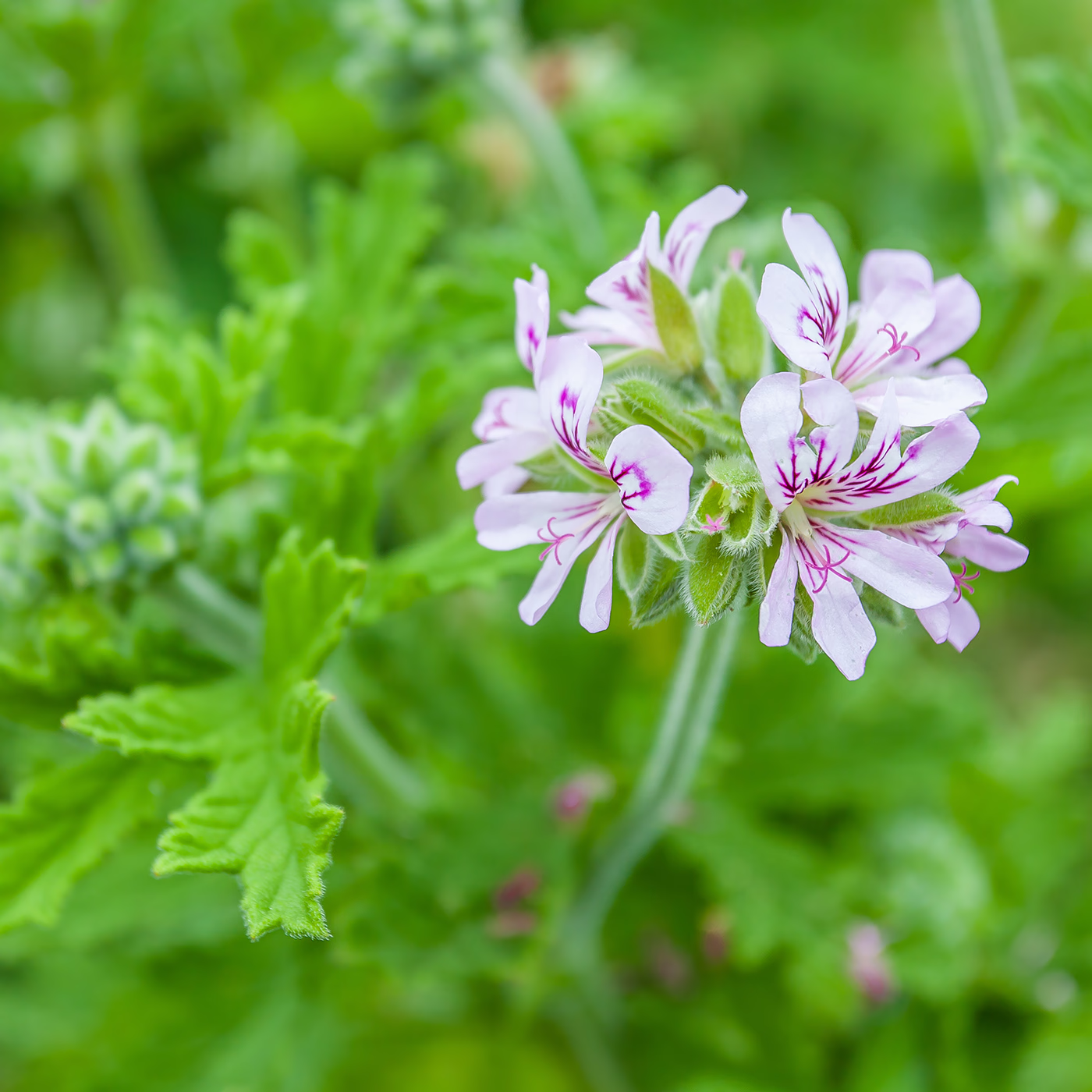
Exploring Scents & Botanicals
Understanding the subtle intricacies of scent allows fragrance to enhance life and interiors alike. Personal and home fragrances can work in concert to enrich experiences, shape environments, and influence mood — creating Atmospheres™.
To begin exploring the power of fragrance, start by identifying the scent families you are drawn to and considering how and where they can best be experienced.

The Fragrance Families
Fragrances are broadly grouped into four olfactory families — Oriental, Woody, Fresh, and Floral. These families are interconnected, each complementing the others to create layered, nuanced compositions.
The CRANBOURN® fragrance wheel provides a structured way to explore these families, helping you discover scents that resonate with both personal preference and interior Atmospheres™.
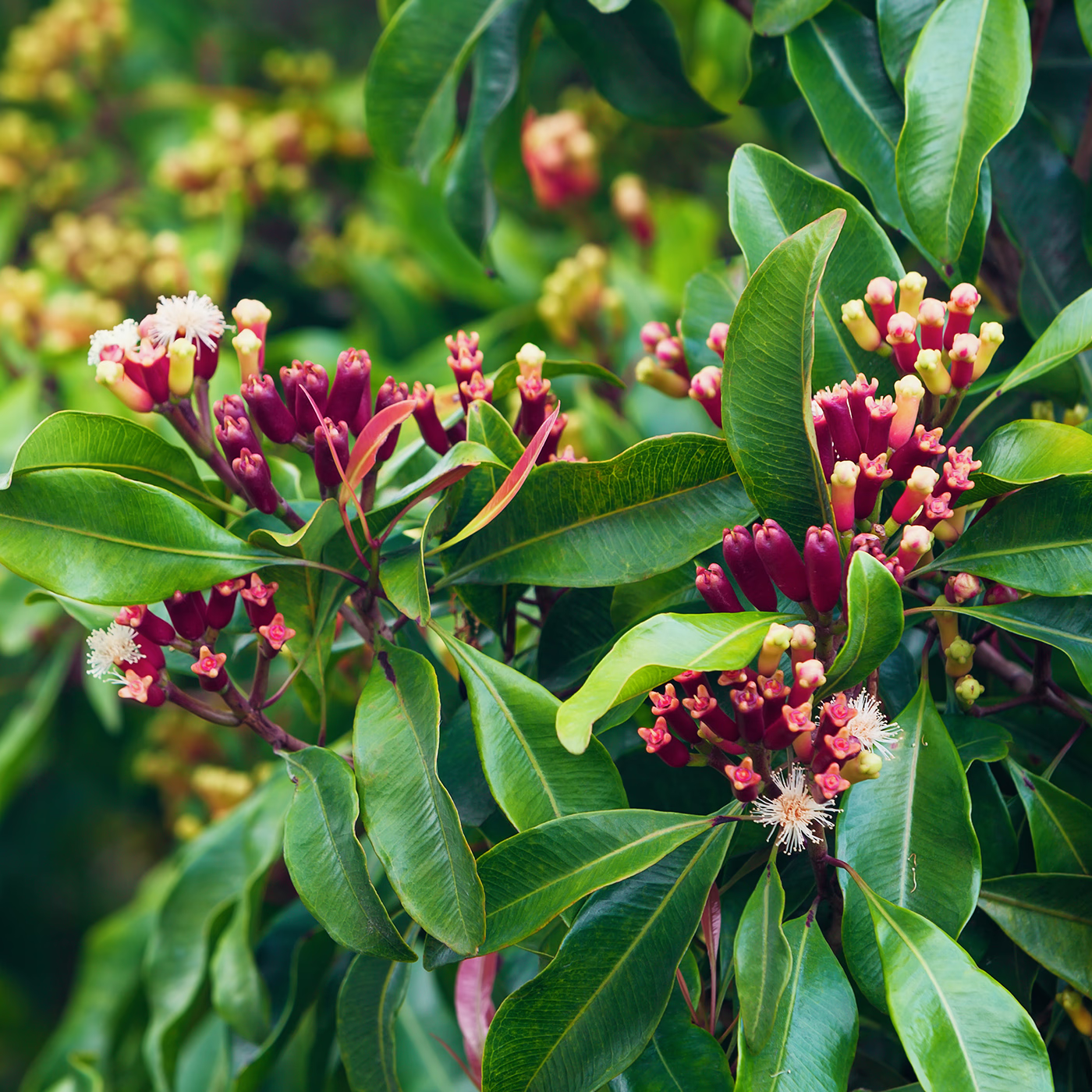
The Oriental Fragrance Family
Oriental fragrances are rich and layered, often blending spicy notes with subtle sweetness. This family is divided into three subcategories: Soft Oriental (floral), Spicy Oriental, and Woody Oriental (musk-rich).
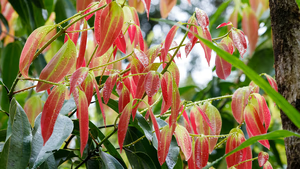
Typical notes include nutmeg, vanilla, cinnamon, patchouli, amber, musk, and sandalwood, each chosen for how it unfolds and lingers in space.
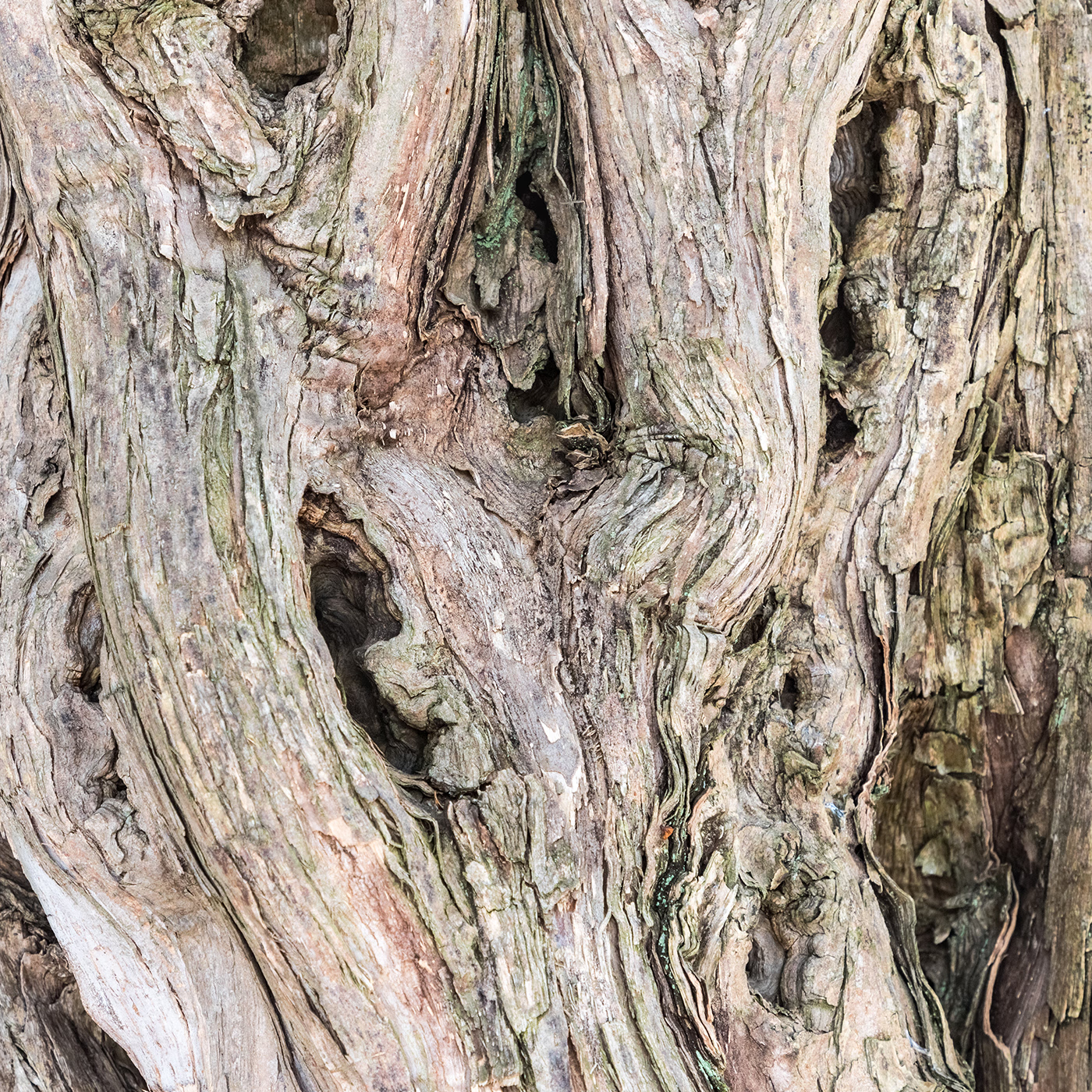
The Woody Fragrance Family
Woody fragrances are structured and enduring, with warm, resinous, or balsamic notes. This family is divided into Dry Woody, Mossy Woody, and Aromatic Woody subcategories.
Typical notes include cedarwood, sandalwood, vetiver, patchouli, oakmoss, and guaiac wood, selected for their ability to shape atmosphere and linger subtly within a space.
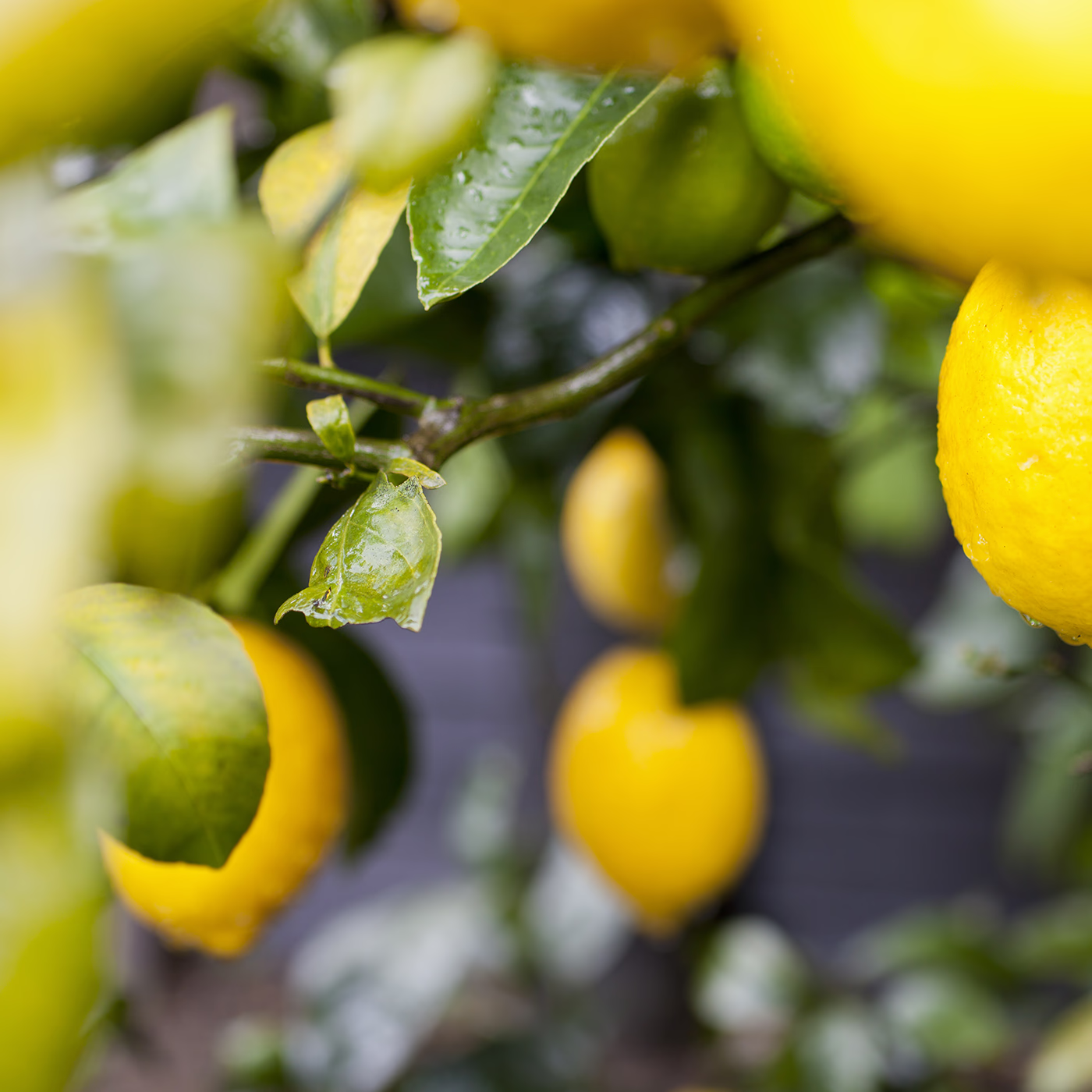
The Fresh Fragrance Family
Fresh fragrances are clean, bright, and invigorating, often evoking aquatic, green, or citrus nuances. Subcategories include Citrus, Green, and Aquatic Fresh.
Typical notes include bergamot, lemon, grapefruit, green leaves, mint, and marine accords, designed to enhance clarity, energy, and spatial freshness.
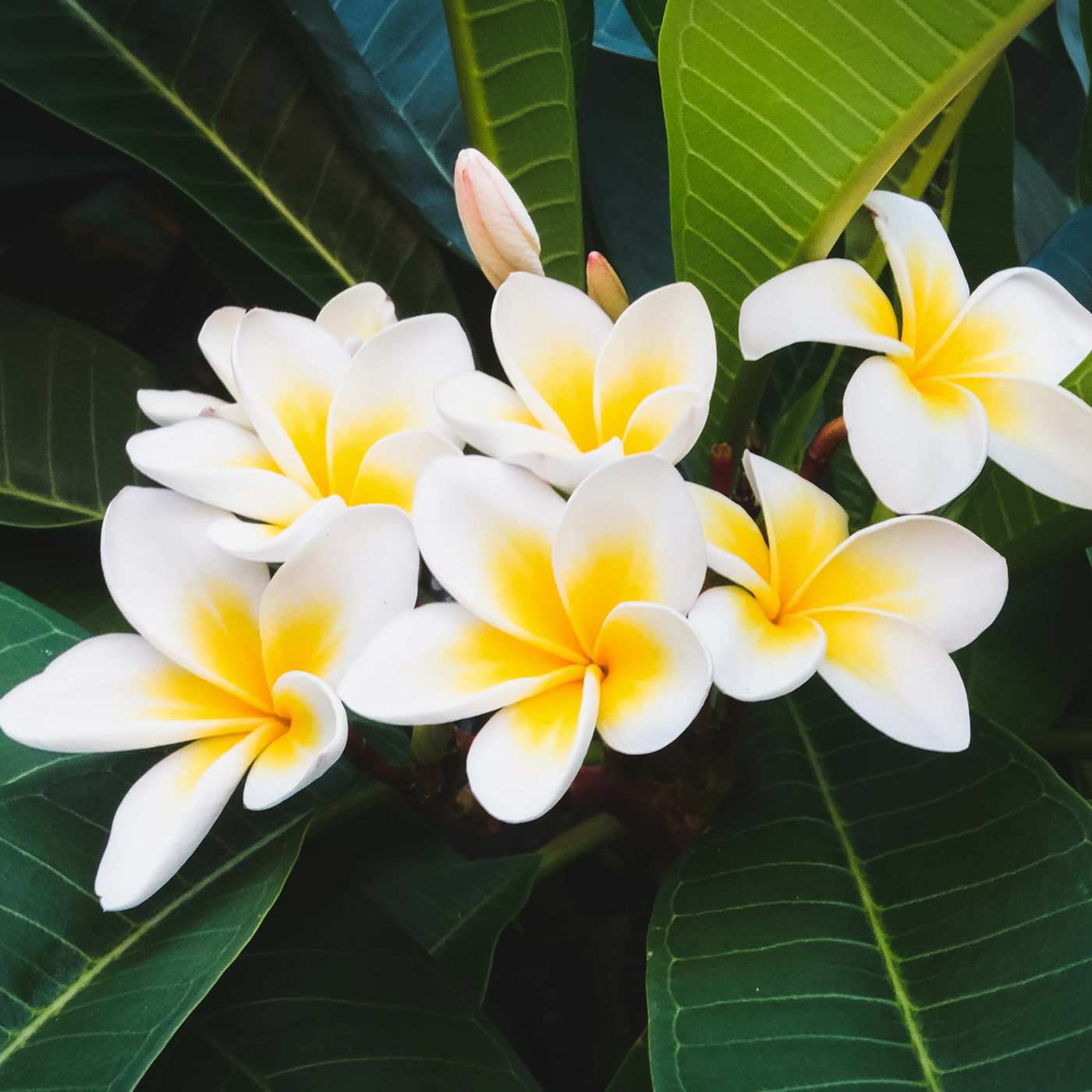
The Floral Fragrance Family
Floral fragrances are soft, elegant, and expressive. This family is divided into Soft Floral, Traditional Fresh Floral, Tropical Floral, and Floral Oriental subcategories.
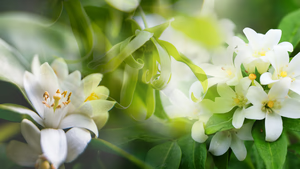
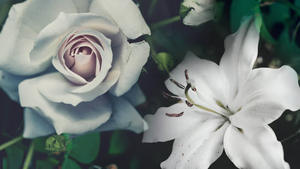
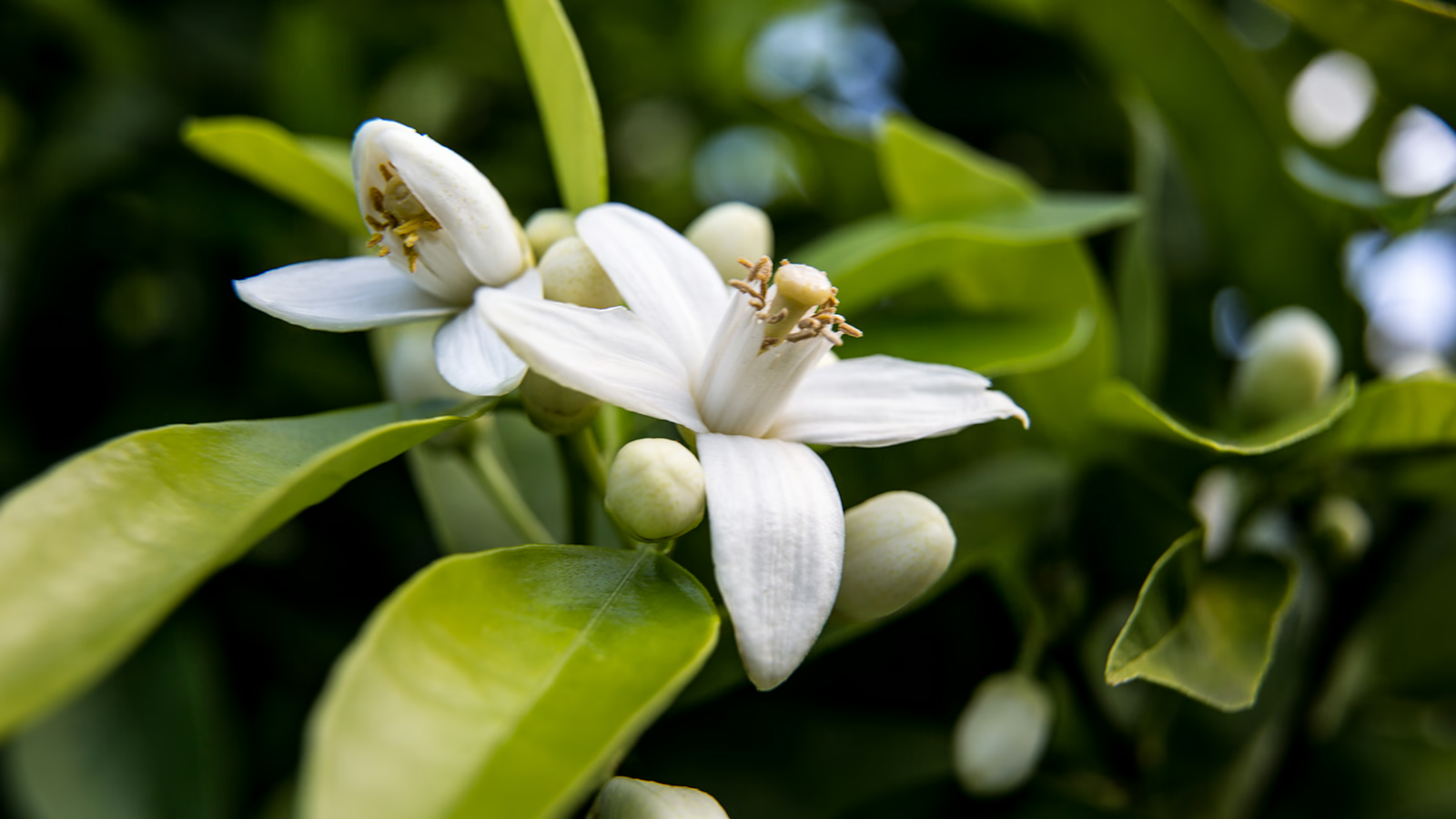
Typical notes include rose, jasmine, orange blossom, ylang-ylang, violet, and cyclamen, composed to unfold naturally and harmoniously within interiors.
Shaping Atmospheres with Fragrance
Once familiar with the fragrance families, you can make more considered choices about scent. They reveal how fragrances interact, how they can be layered, and how they may be experienced across different times and spaces.
We invite you to explore your olfactory journey and discover how fragrance can elevate Atmospheres™ and support Sensory Wellbeing™.









Our Partners






Join the Journey
Sign up to receive the latest CRANBOURN® news, events and launches.