













Modern Fragrance: Its Origins and Evolution
Our approach to perfumery is grounded in its long evolution — from early apothecaries and ritualised scent use to the composed fragrances of today. Understanding this history informs how we work with materials, structure, and proportion in contemporary fragrance design.
Perfume is a preparation created to introduce scent into space. The word derives from the Latin perfumare, meaning “to smoke through” — a reference to the earliest use of aromatic materials to shape atmosphere through air and ritual.
Origins in Ancient Civilizations
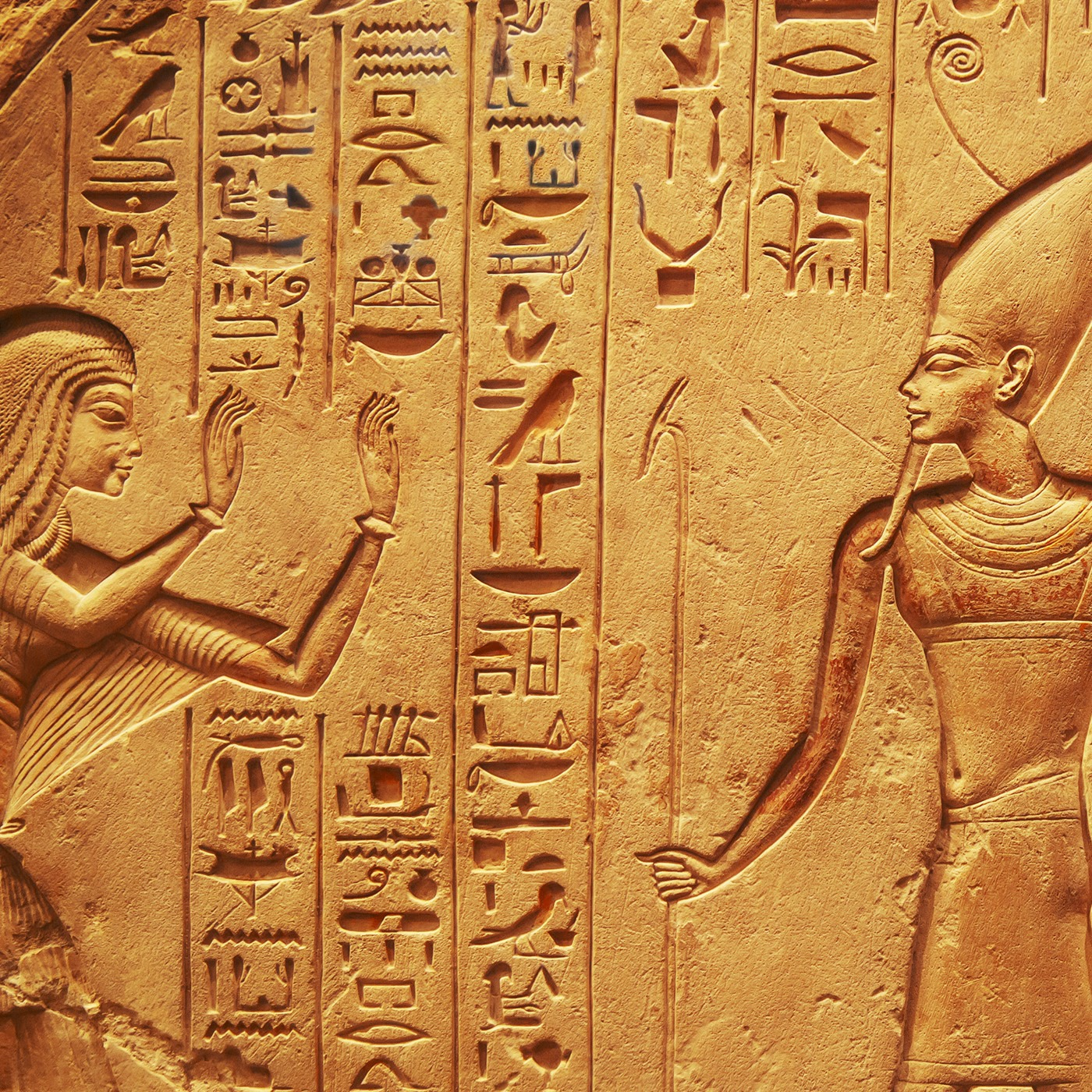
Perfumery emerged across early civilisations including ancient Egypt, Mesopotamia, the Indus Valley, and China, where aromatic materials were used to shape ritual, wellbeing, and environment. These early practices were later advanced by Roman and Arab-Persian scholars, who refined distillation techniques and developed alcohol-based suspensions, forming the structural foundations of modern perfumery.
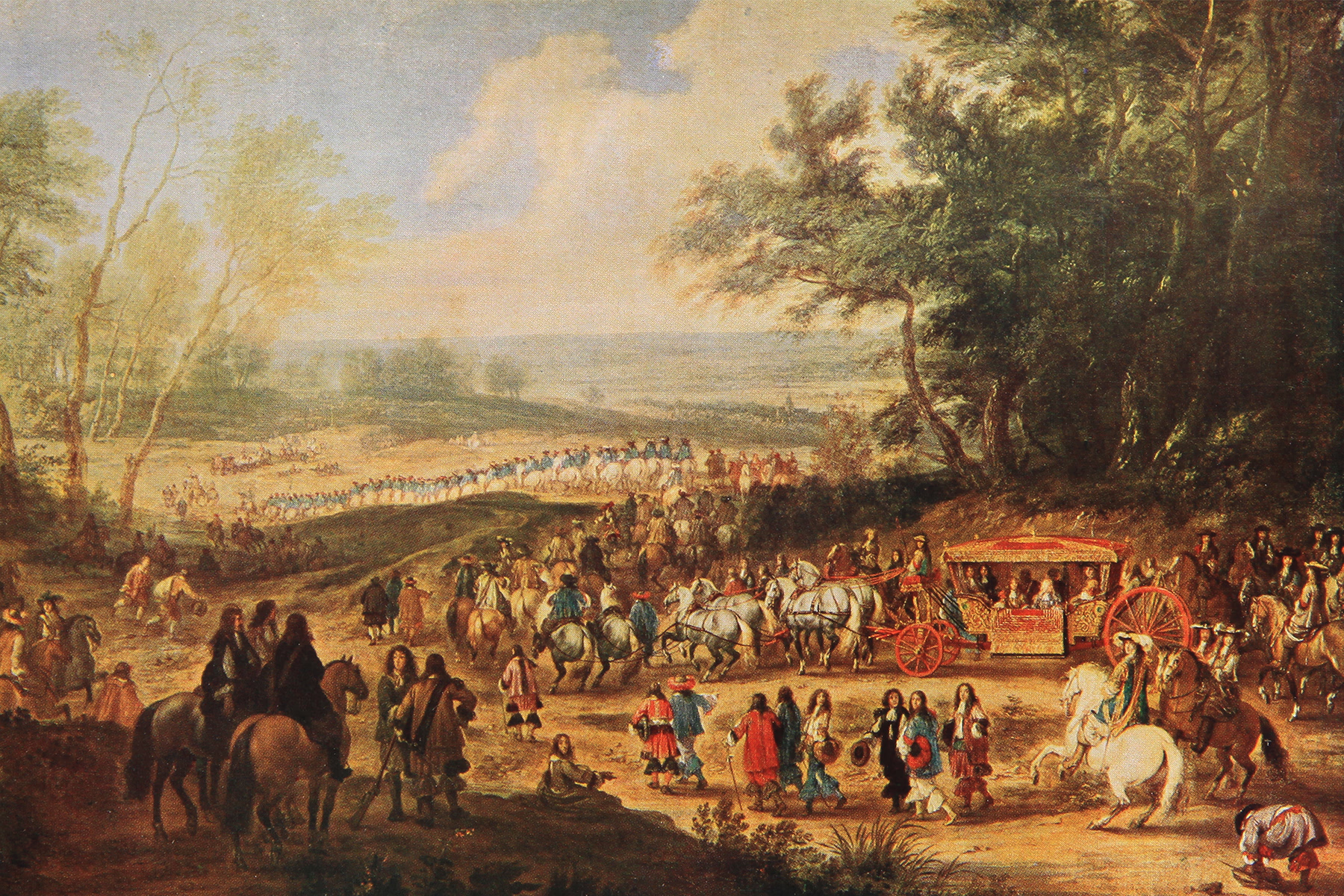
Medieval Europe: Perfumer and Apothecary
This knowledge later reached medieval Europe, where perfumery flourished in royal courts — most notably in 17th-century France under Louis XIV, as well as in England and Italy. Fragrant oils were also valued for healing and wellbeing, bringing the early practices of perfumery and apothecary into close alignment.
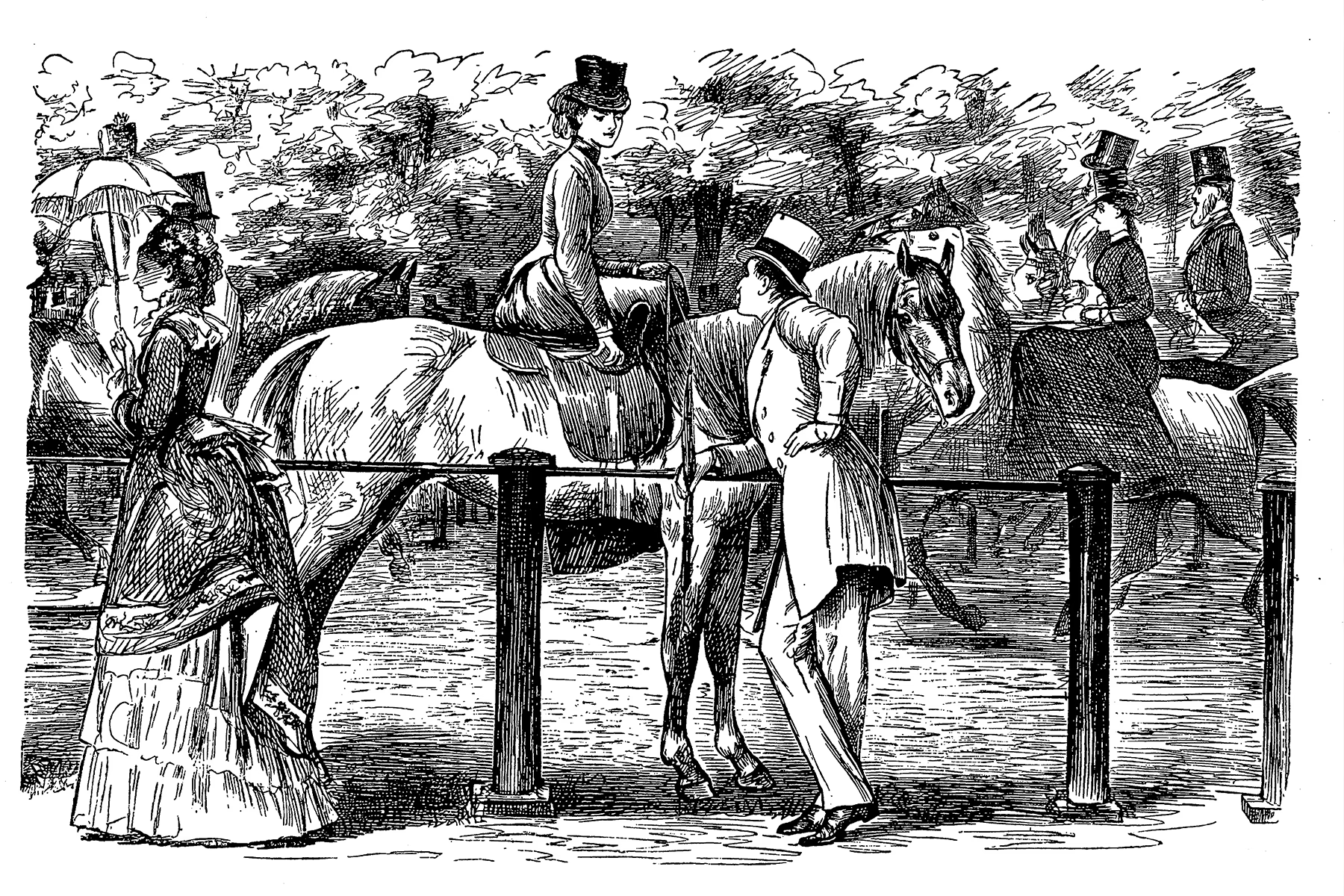
Scenting the Unpleasant
The development of modern perfumery was unexpectedly accelerated by the European leather trade. Tanning processes in the 17th and 18th centuries produced strong odours, prompting demand from European nobility for scented leather goods.
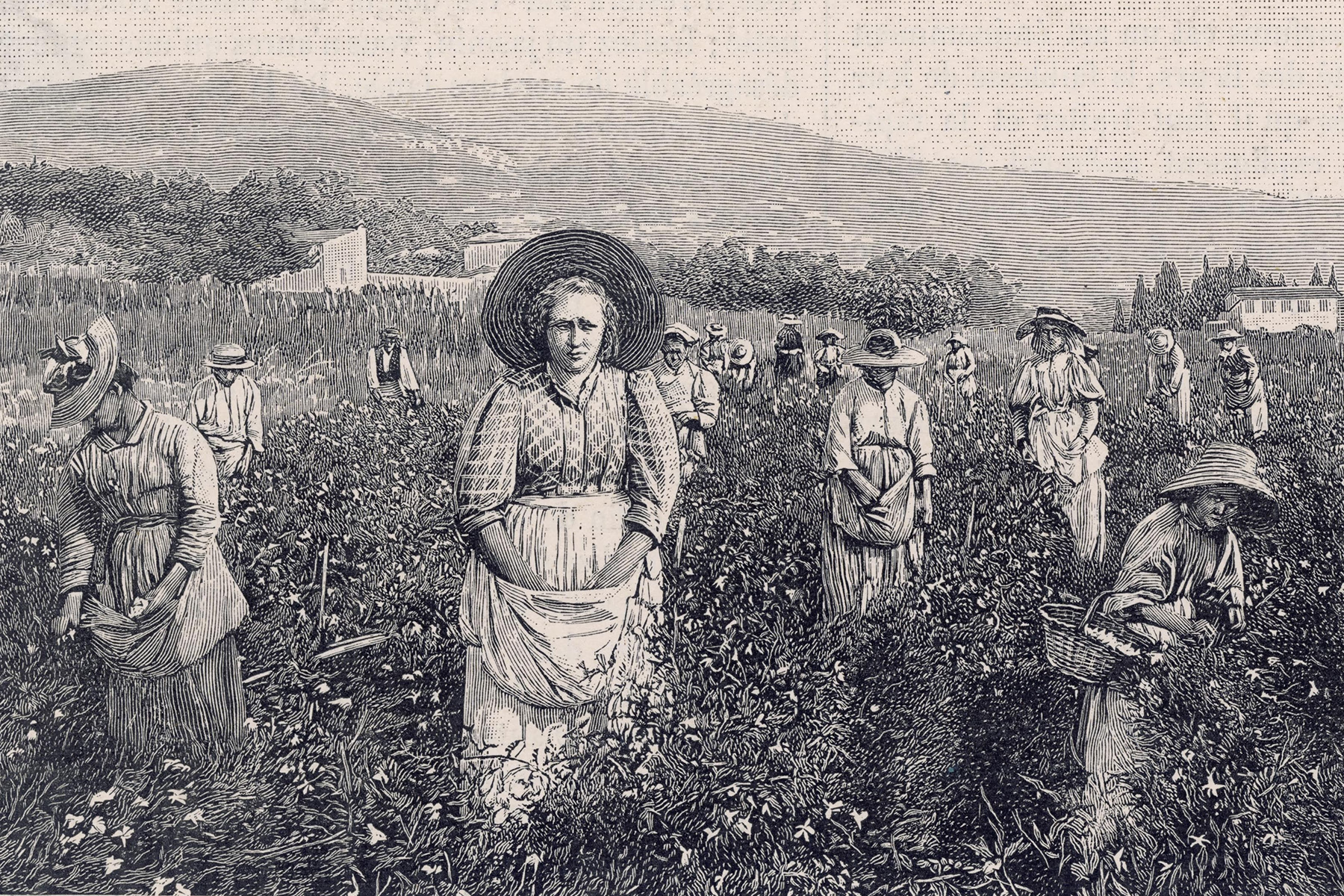
In response, specialised glove makers — known as gantiers-parfumeurs — began perfuming leather to refine both scent and experience. Centres such as Grasse in Provence, already established for botanical cultivation, became pivotal in the extraction of floral essences and the evolution of perfumery as a distinct discipline.
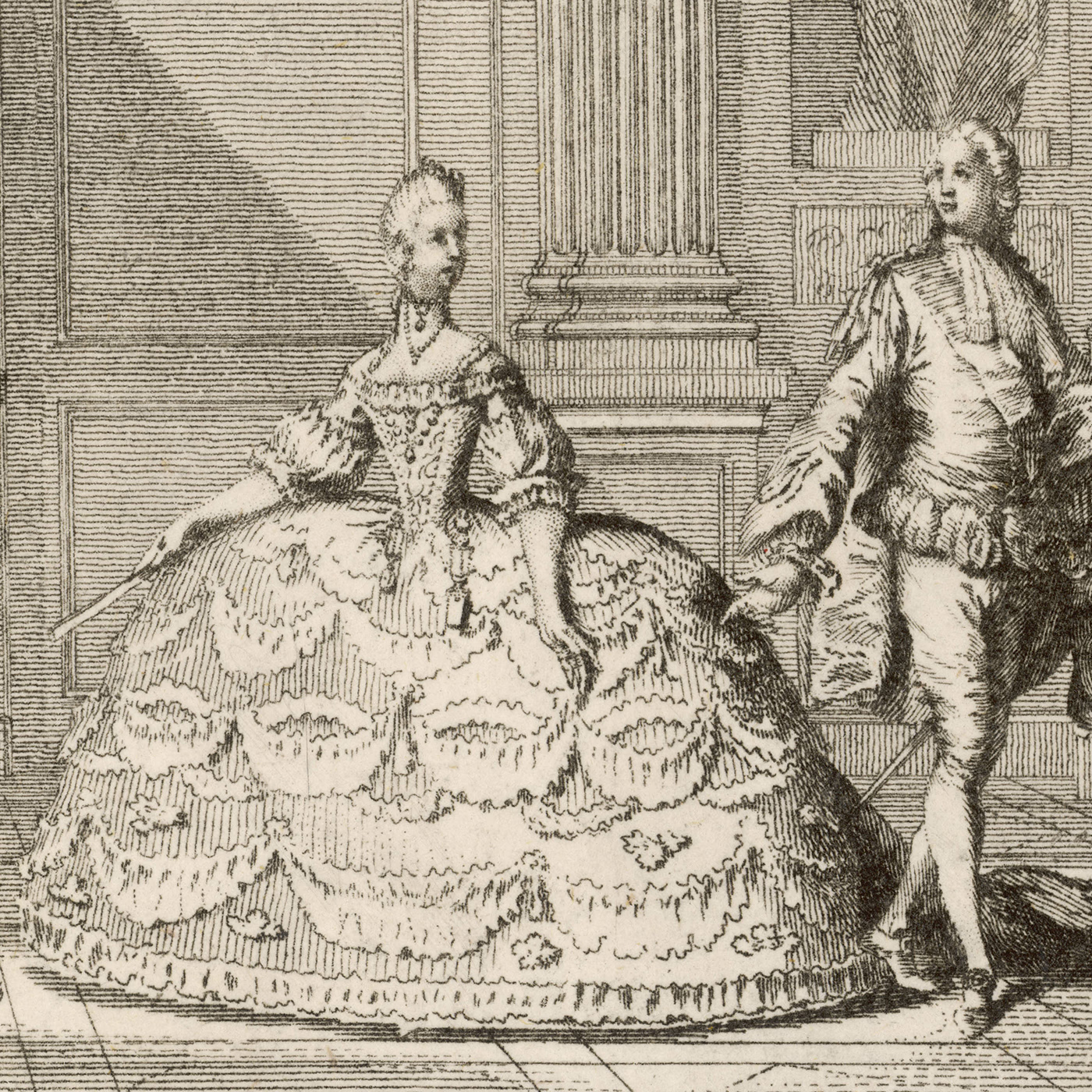
Marie Antoinette and Perfume
In the late 18th century, perfume became an integral part of daily life at the French court. Marie Antoinette worked closely with master perfumer Jean-Louis Fargeon, commissioning fragrances tailored to different settings and moments, including compositions designed to scent bathwater and private interiors.
This close relationship between patron and perfumer reflects an early understanding of fragrance as situational and atmospheric — composed to respond to context rather than as a single, fixed identity. Contemporary accounts suggest her distinctive perfume was so recognisable that it contributed to her identification during the failed flight to Varennes.
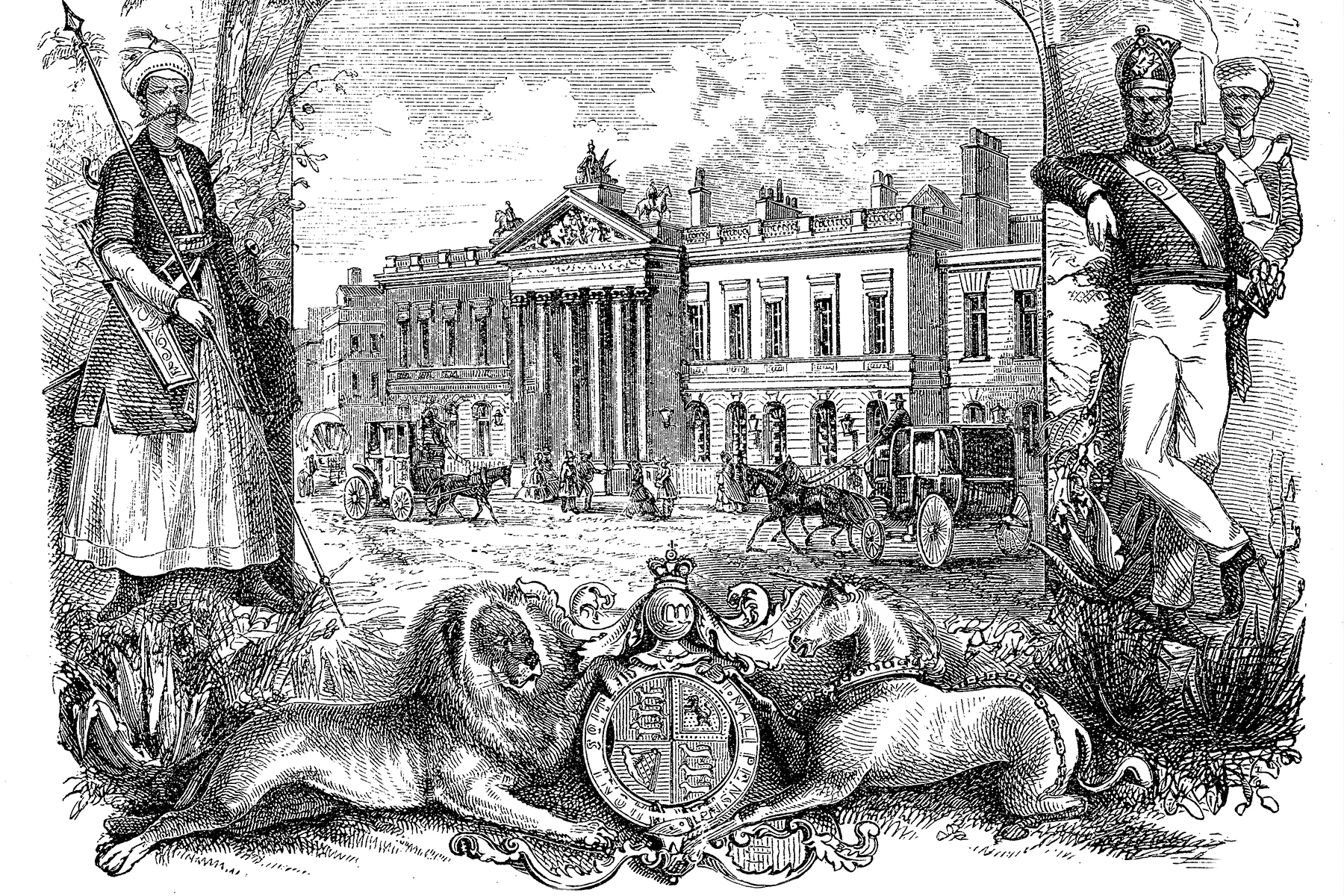
Industrialising British Perfumery
Political upheaval in late-18th- and 19th-century Europe, including the French Revolution, shifted the centre of fragrance production toward Britain. Rapid industrialisation and technological advancement enabled perfumes to be produced, distributed, and commercialised at scale.
Supported by global trade networks and organisations such as the East India Company, British perfumers gained access to an expanded range of spices, resins, and aromatic materials. This convergence of industry, materials, and consumer demand established the foundations of modern perfumery as a global discipline.
Nature Meets Science
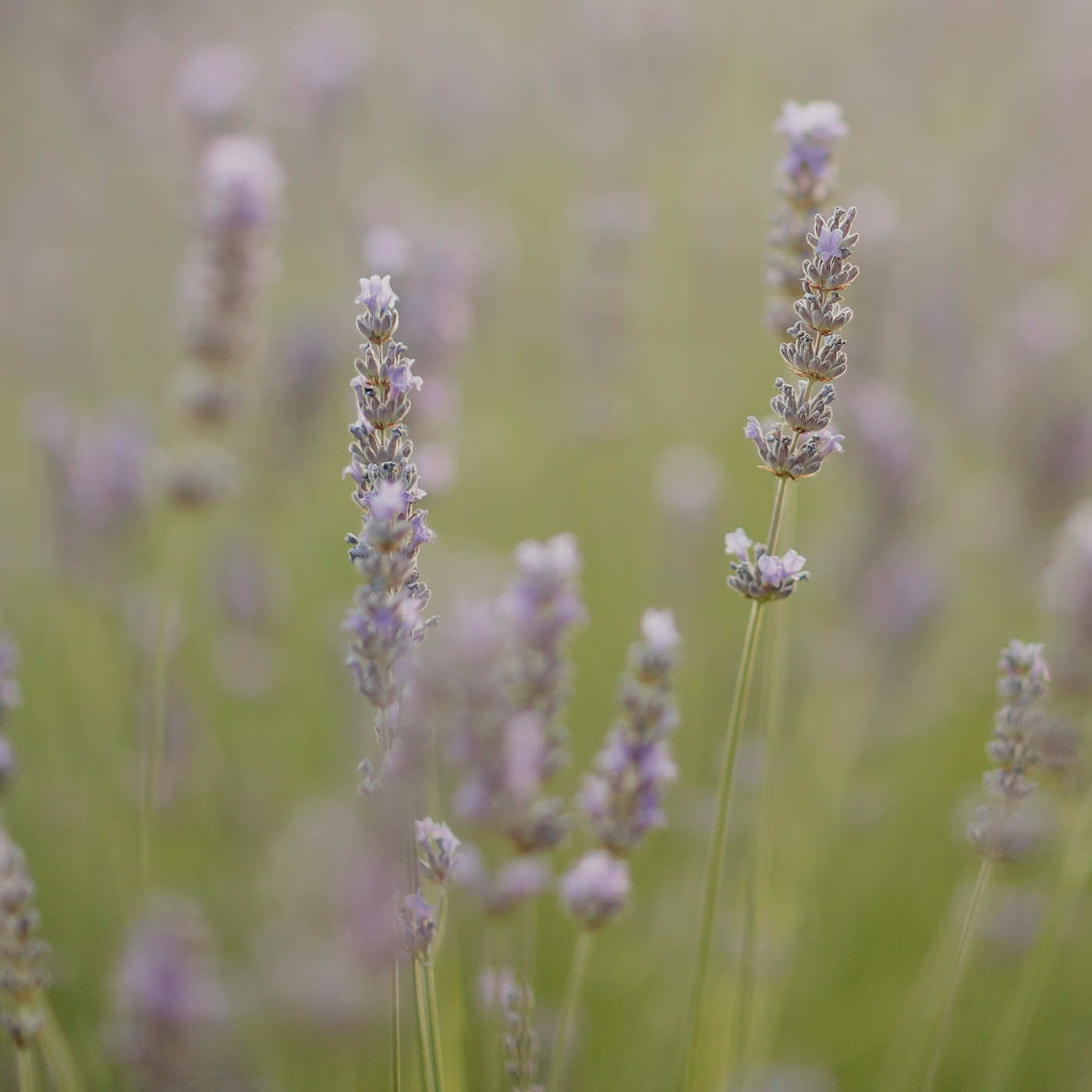
Traditionally, perfumery was composed from botanicals — aromatic materials derived from flowers, seeds, woods, and resins. While these ingredients defined the early language of scent, their natural variability imposed limits on consistency, control, and performance.
Scientific advances expanded this palette. The late nineteenth-century synthesis of key aroma molecules such as vanillin and coumarin marked the emergence of modern perfumery, enabling compositions that could extend, refine, or transcend natural materials. This shift introduced a new precision to fragrance design, shaping the discipline as it exists today.
From survival to wellbeing
The volatile compounds released by botanicals have long influenced human behaviour, originally serving as signals of nourishment, danger, and environmental change. Today, fragrance continues to operate at this fundamental level, shaping interior atmospheres and interacting with the presence of our bodies and clothing within space.
The sense of smell is a primary biological survival system, continuously assessing our surroundings through specialised olfactory neurons that connect directly to the brain. At CRANBOURN®, we work with this sensory intelligence intentionally — composing fragrances that integrate into everyday environments and support Sensory Wellbeing™ through controlled, considered atmospheres.






Our Partners





Join the Journey
Sign up to receive the latest CRANBOURN® news, events and launches.