Brand roundel

Free UK mainland shipping on orders over £70

Please Login For Wishlist Items!

Search CRANBOURN®

botanicals_featured

Browse by Ingredient & Botanical

Greenwashing: Why Sustainability Should Not Be a Luxury

Greenwashing in the luxury goods industry: why transparency and genuine sustainability matter for modern conscious consumers.

4 min read
hero_banner_img

An increasing number of consumers now expect greater transparency and responsibility from the brands they support. Yet many luxury goods companies still struggle to place sustainability at the centre of how they operate.

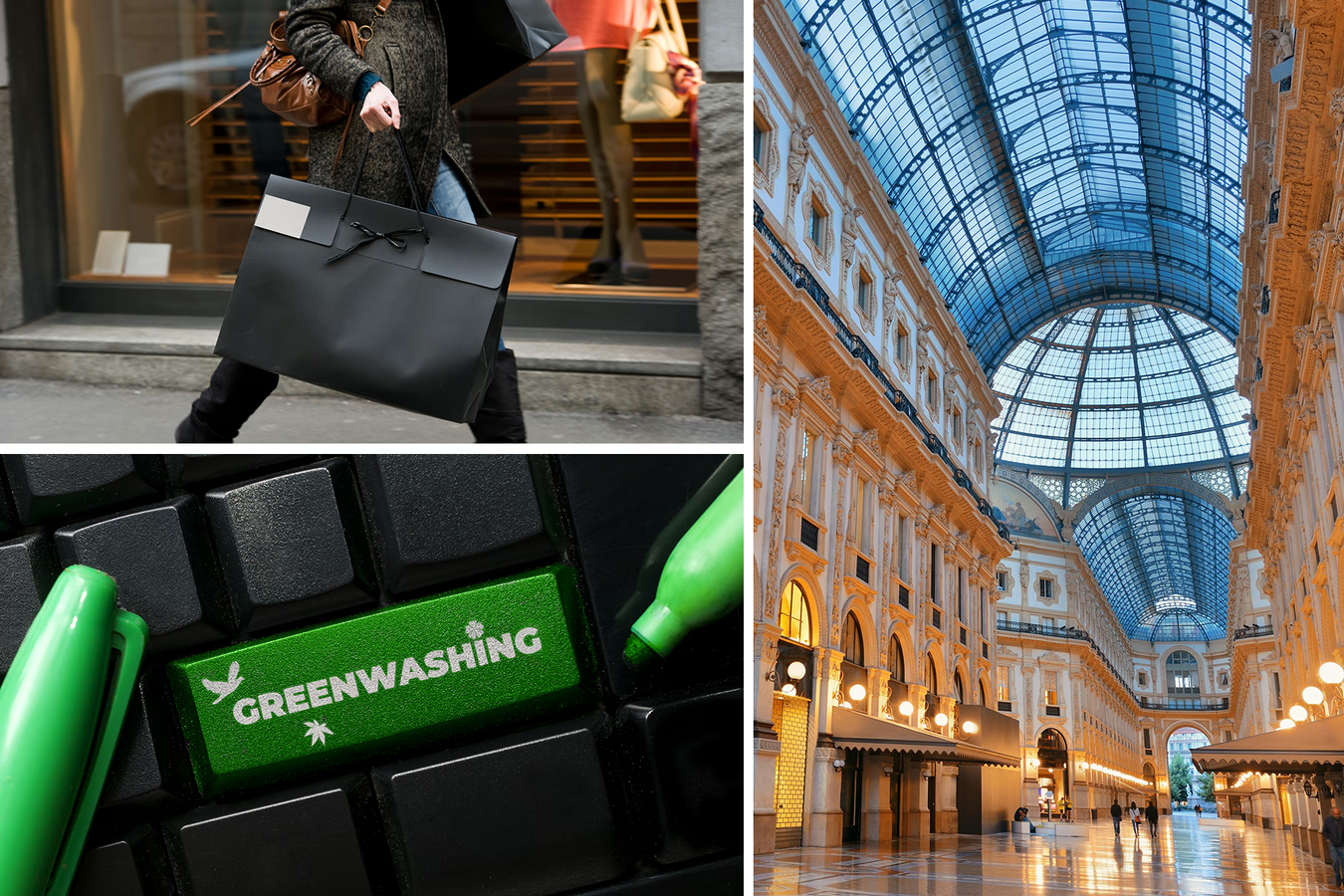
In some cases, environmental and social claims are used more as marketing than meaningful change. This practice is often described as greenwashing: making diverting sustainability claims to cover a questionable environmental record.

hero_banner_img

‘It all comes out in the green wash’

The term greenwashing was first popularised in 1986 by environmentalist Jay Westerveld. It describes the practice of presenting selected aspects of a company’s activities as environmentally responsible in order to distract from a less sustainable overall record.

As consumers have become more informed and discerning, these tactics have often become more sophisticated. Many businesses have recognised that customers are increasingly willing to pay a premium for products perceived to be sustainable or environmentally responsible.

As a result, initiatives such as limited charitable donations or loosely defined labels such as ‘organic’ or ‘fair’ can sometimes create the appearance of sustainability, even when deeper operational change has yet to take place.

hero_banner_img

Sustainability and Luxury

“If I asked you to picture the consumer luxury market, you might imagine jewels, sports cars, watches, premium drinks, high-end shoes and apparel, and so on. A combination of high quality, glamour, celebrity, and attitude. With a few exceptions, it’s been an industry not traditionally associated with concerns about environmental impacts, human rights, and wellness, even while those trends have been sweeping through the mainstream consumer products sector.” – Andrew Winston, Harvard Business Review

Luxury goods have long been associated with exclusivity, craftsmanship and prestige. Historically, however, the sector has not always been closely linked with transparency around environmental impact, labour practices or supply chains.

In recent years, increasing scrutiny from consumers and industry observers has highlighted the need for greater openness. The Fashion Transparency Index 2021 reported that brands in the fashion sector achieved an average transparency score of just 23%, covering areas such as carbon emissions, textile waste and fair pay for workers.


hero_banner_img

CRANBOURN® – Transparent Luxury

CRANBOURN® was founded with a clear intention: to create a luxury fragrance house that operates differently. From the outset, we believed a modern luxury brand should place transparency, responsibility and quality at the centre of how it works. This philosophy is reflected in #AnotherWay.

Our mission at CRANBOURN® is to help customers choose luxury fragrance and wellbeing products more consciously, offering the freedom to enjoy beautifully crafted products while supporting more responsible production. We are guided by our firm belief that businesses should play a positive role in driving social and environmental progress.

Transparency sits at the heart of this approach. Our products carry certifications including Leaping Bunny, The Vegetarian Society and the FSC, and we are part of the B Corp movement. CRANBOURN® products are subject to independent assessments and audits, helping ensure they meet rigorous standards of social and environmental performance, transparency and accountability.

Give Feedback
Loading...