















Mærke rundel

Gratis forsendelse fra det britiske fastland ved ordrer over £70

Log venligst ind for varer på ønskeseddel!

Søg CRANBOURN®

The Importance of Bees: Why Pollinators Matter for Food, Nature and Biodiversity

Discover why bees are vital for pollination, food production and biodiversity — and why protecting pollinators matters.

6 min læst
hero_banner_img

When many of us think of bees, we picture the familiar bumblebee drifting gently through a garden on a warm summer day. In reality, this image represents only a small part of a remarkably diverse and important family of insects.

Bees are complex, intelligent creatures that play a vital role in maintaining the balance of our natural world. Scientists estimate that there are around 16.000 biarter på verdensplan — and new species continue to be discovered.

Some bees live solitary lives, while others exist within highly organised social colonies. Many species are also important pollinators, transferring pollen between flowers as they forage. This process enables plants to reproduce, supporting seed production and sustaining the natural cycles that underpin healthy ecosystems.

How bees help put food on our tables

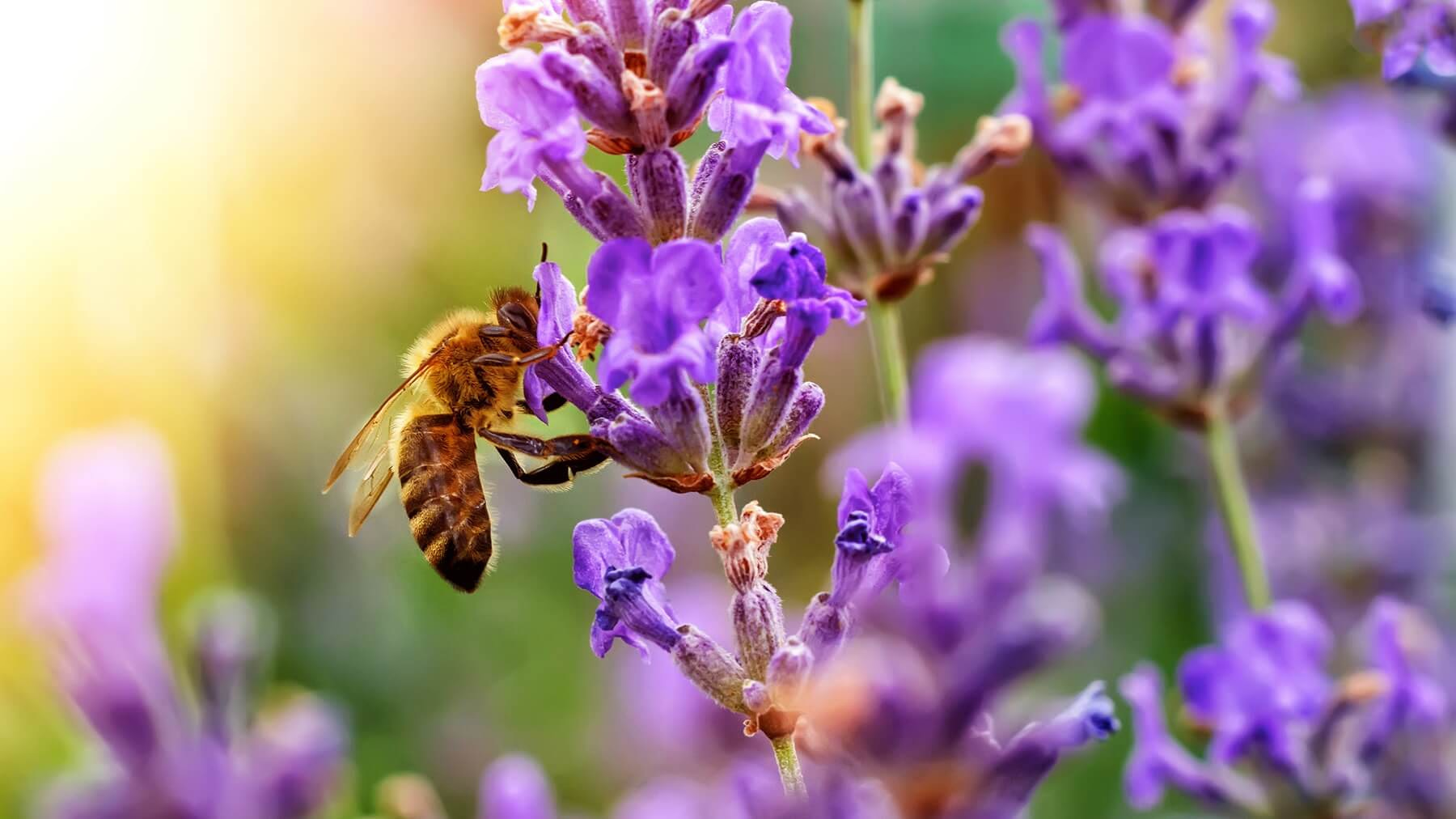
It is easy to assume that bees mainly pollinate the flowers we enjoy in our gardens. In reality, bees play a far more significant role in food production and the food we eat every day. It is estimated that around a third of the food consumed in the UK each year depends on pollination.

While many species contribute to pollination — including bats, birds and other insects — bees are among the most important. A wide variety of crop plants rely on different bee species, both wild and domesticated. These include potatoes, onions, citrus fruits, coffee, berries, nuts, broccoli, cauliflower, apples, avocados and tomatoes, among many others.

The impact of bee pollination extends across the entire agricultural system, supporting food production for both humans and livestock. Every day, across the world, countless wild and managed bee populations pollinate crops, orchards and natural landscapes, performing an essential ecological service that often goes unnoticed. In doing so, they also support wildlife and help maintain the biodiversity that underpins healthy ecosystems.

Mere end bare mad

Pollinators are essential for sustaining global food production, but their importance extends far beyond the food we eat.

Honey and beeswax are two remarkable natural by-products with a wide range of uses. Honey is widely enjoyed as a food, but it is also valued as an ingredient in skincare, wellness and traditional remedies. Beeswax and pollen are similarly versatile, finding their way into beauty products, food applications and many other everyday items. It is no secret that we are particularly passionate about the use of bivoks i stearinlys.

The contribution of bees is not only ecological but also economic. In the UK alone, bees are estimated to support omkring 400 millioner pund of economic value each year through the vital pollination services they provide.

Bier er truet

Ødelæggende, around a third of British wild bee species are now in decline, and similar patterns are being observed in many regions around the world. The consequences of this decline are significant for ecosystems and global food systems alike.

Bees face a number of pressures, many of which are linked to the way natural landscapes are used and developed.

Changes in land use have destroyed many habitats essential for pollinators. Over time, intensive farming practices have replaced natural landscapes such as wildflower meadows, ponds and woodland environments that once provided bees with abundant sources of food and shelter. As these flower-rich habitats disappear, bees have fewer resources to sustain healthy populations.

Agriculture is not the only pressure. Expanding urban development and housing construction also reduce the natural areas that pollinators depend upon, further affecting local biodiversity.

Climate change adds another layer of challenge. Shifts in seasonal patterns and fluctuating temperatures can alter the timing of flowering plants, disrupting the relationship between bees and the plants they rely on for food. Warmer winters may also cause bees to emerge earlier than usual, affecting their life cycles and survival.

Pesticides are another contributing factor. Although designed to target agricultural pests, some pesticides can have unintended effects on pollinators, potentially impacting bees’ navigation, reproduction and overall health.

En verden uden bier

If global bee populations were to continue declining at their current rate, the consequences could be far-reaching.

A significant number of crops rely on pollination to produce fruit and seeds, and without bees many of these would experience reduced yields. Some crops — such as almonds — depend almost entirely on bee pollination to grow successfully.

To compensate for falling crop production, farming systems would likely become increasingly intensive. Expanding agricultural land, using more machinery and relying on higher-input farming practices could place even greater pressure on natural ecosystems and increase environmental impacts.

Ultimately, a sustained decline in pollinators would affect not only food production but also the health of natural habitats and the biodiversity that supports life on our planet.

Hvad kan vi gøre for at hjælpe?

Addressing the decline in bee populations requires action at many levels. From the way we farm and design our cities to the choices we make as consumers, adopting more sustainable approaches can help restore the natural habitats that pollinators depend upon.

On a personal level, there are many simple ways to support local bee populations. Creating a bee-friendly garden, planting nectar-rich flowers, and providing spaces where solitary bees can nest are all valuable steps. Supporting local beekeepers and wildlife charities can also make a meaningful difference.

Hos CRANBOURN®, this is a subject we care deeply about and is part of our sustainable mission. Our commitment to responsible sourcing and sustainable design reflects our respect for the natural world and the vital role pollinators play within it. We remain inspired by the biernes kraft and support efforts that help protect bee populations and the ecosystems they sustain.

Give tilbagemelding
Indlæser...