














Parfumul modern: Originea și evoluția sa
Abordarea noastră față de parfumerie se bazează pe evoluția sa îndelungată - de la apotecarii timpurii și utilizarea ritualică a aromelor până la parfumurile compuse de astăzi. Înțelegerea acestei istorii ne informează asupra modului în care lucrăm cu materialele, structura și proporțiile în designul contemporan al parfumurilor.
Parfumul este un preparat creat pentru a introduce mirosul în spațiu. Cuvântul derivă din latinescul parfumare, care înseamnă “a fuma prin” - o referire la prima utilizare a materialelor aromatice pentru a modela atmosfera prin aer și ritual.
Origini în civilizațiile antice
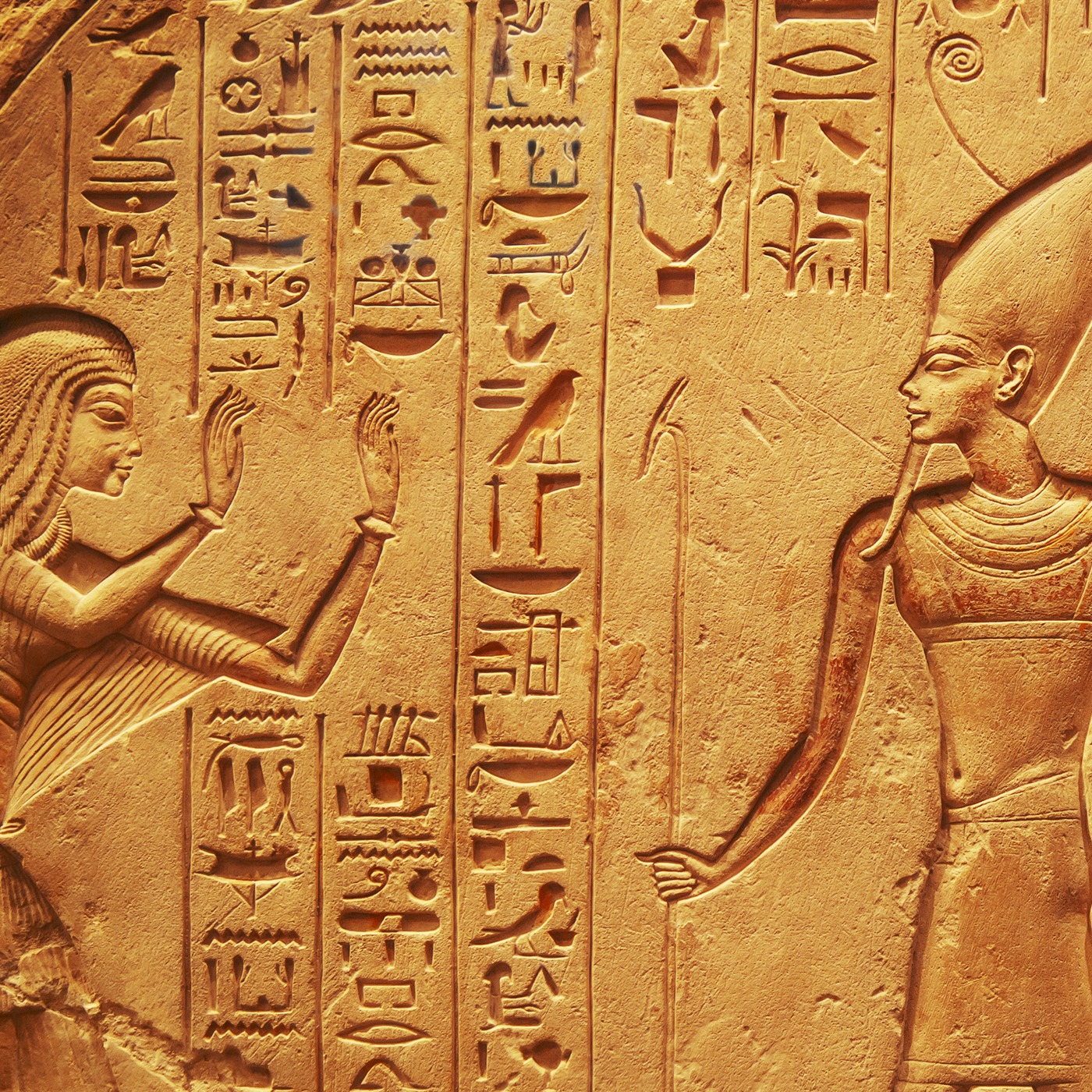
Parfumeria a apărut în civilizațiile timpurii, inclusiv în Egiptul antic, Mesopotamia, Valea Indusului și China, unde materialele aromatice erau utilizate pentru a modela ritualul, bunăstarea și mediul înconjurător. Aceste practici timpurii au fost avansate ulterior de savanții romani și arabo-persani, care au rafinat tehnicile de distilare și au dezvoltat suspensii pe bază de alcool, formând bazele structurale ale parfumerie moderne.
Europa medievală: Parfumier și apotecar
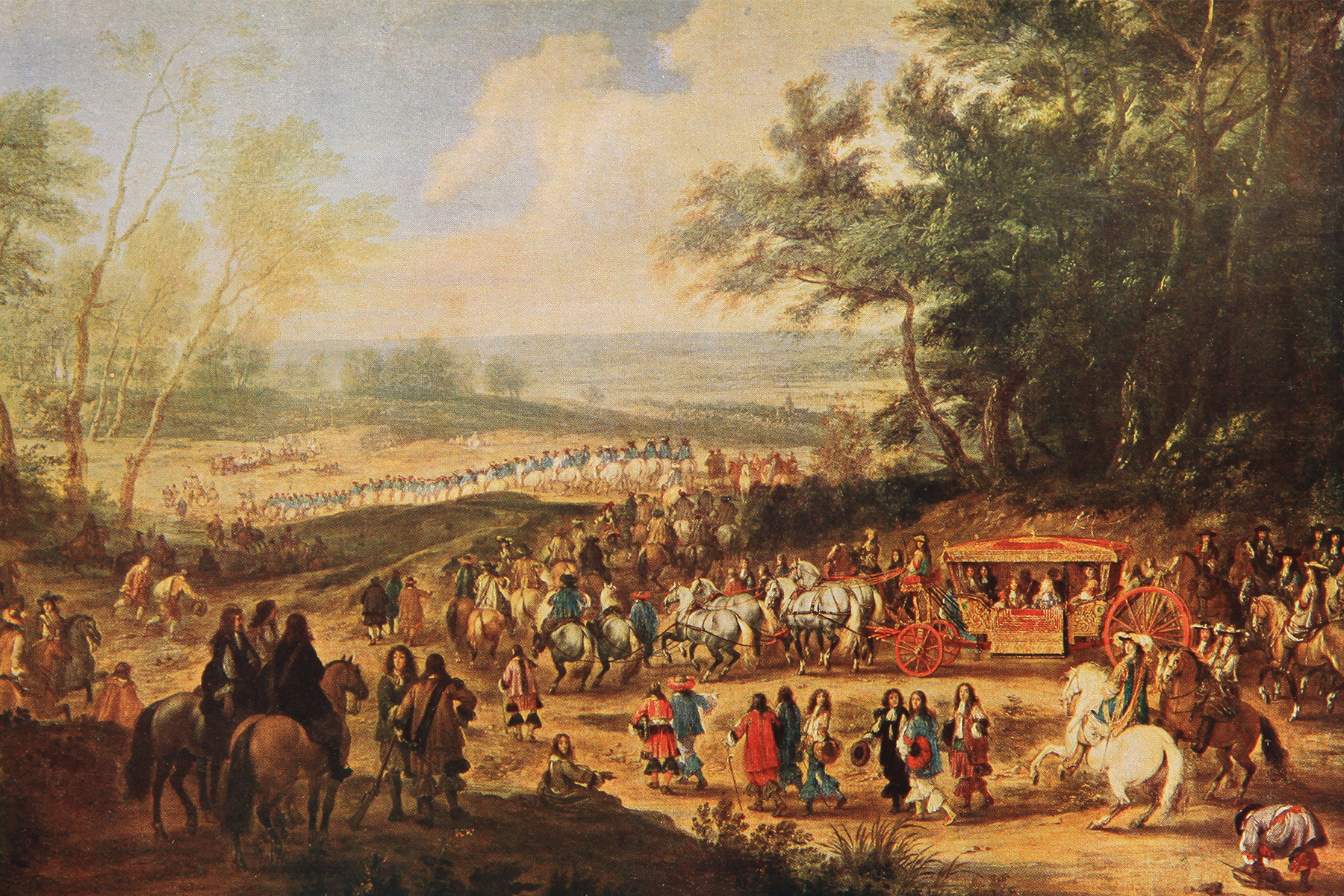
Aceste cunoștințe au ajuns mai târziu în Europa medievală, unde parfumeria a înflorit la curțile regale - mai ales în Franța secolului al XVII-lea sub Ludovic al XIV-lea, precum și în Anglia și Italia. Uleiurile parfumate erau, de asemenea, apreciate pentru vindecare și bunăstare, aducând practicile timpurii ale parfumeriei și ale apotecariei în strânsă legătură.
Mirosul neplăcutului
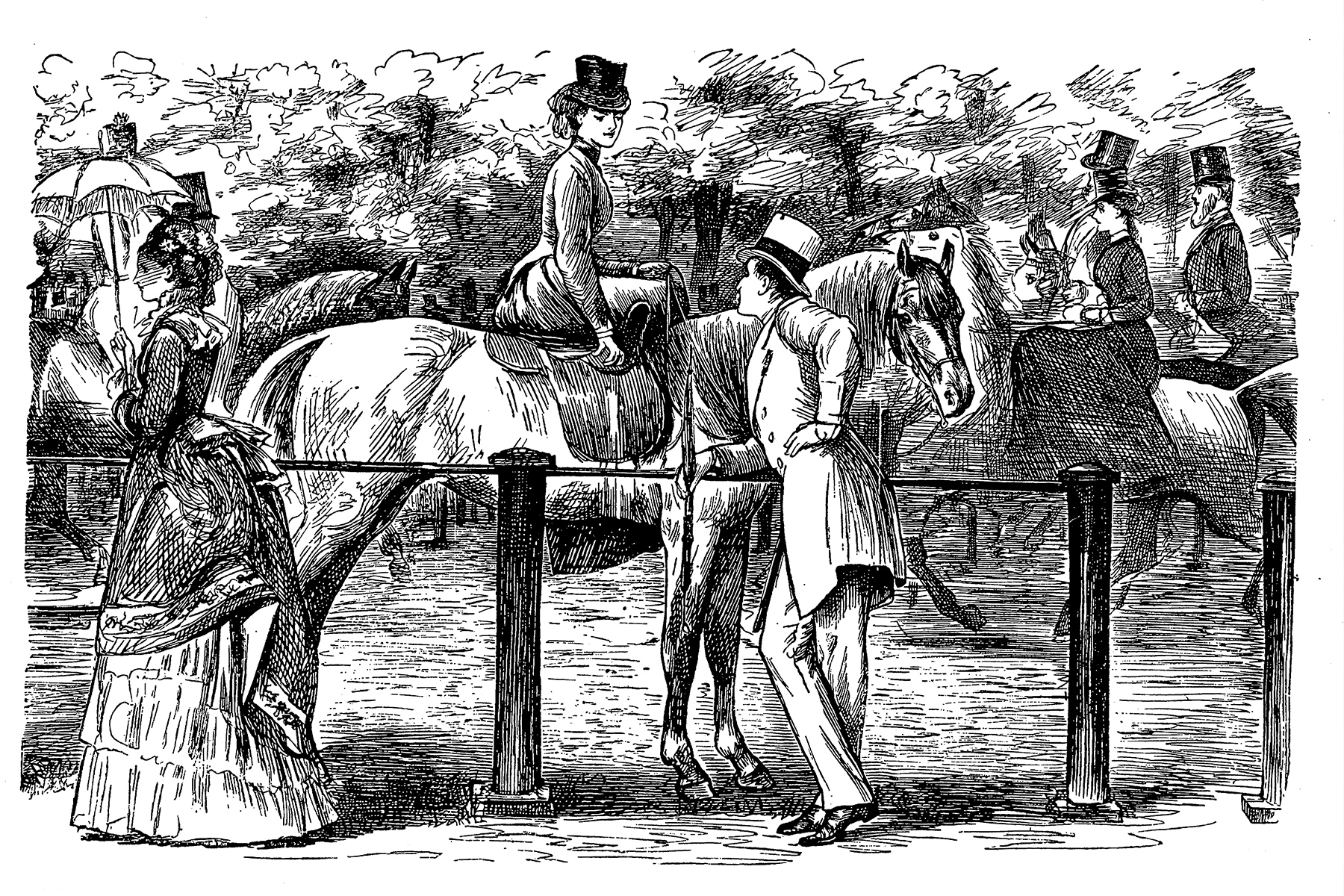
Dezvoltarea parfumeriei moderne a fost accelerată în mod neașteptat de comerțul european cu piele. Procesele de tăbăcire din secolele al XVII-lea și al XVIII-lea produceau mirosuri puternice, ceea ce a determinat nobilimea europeană să solicite articole din piele parfumate.
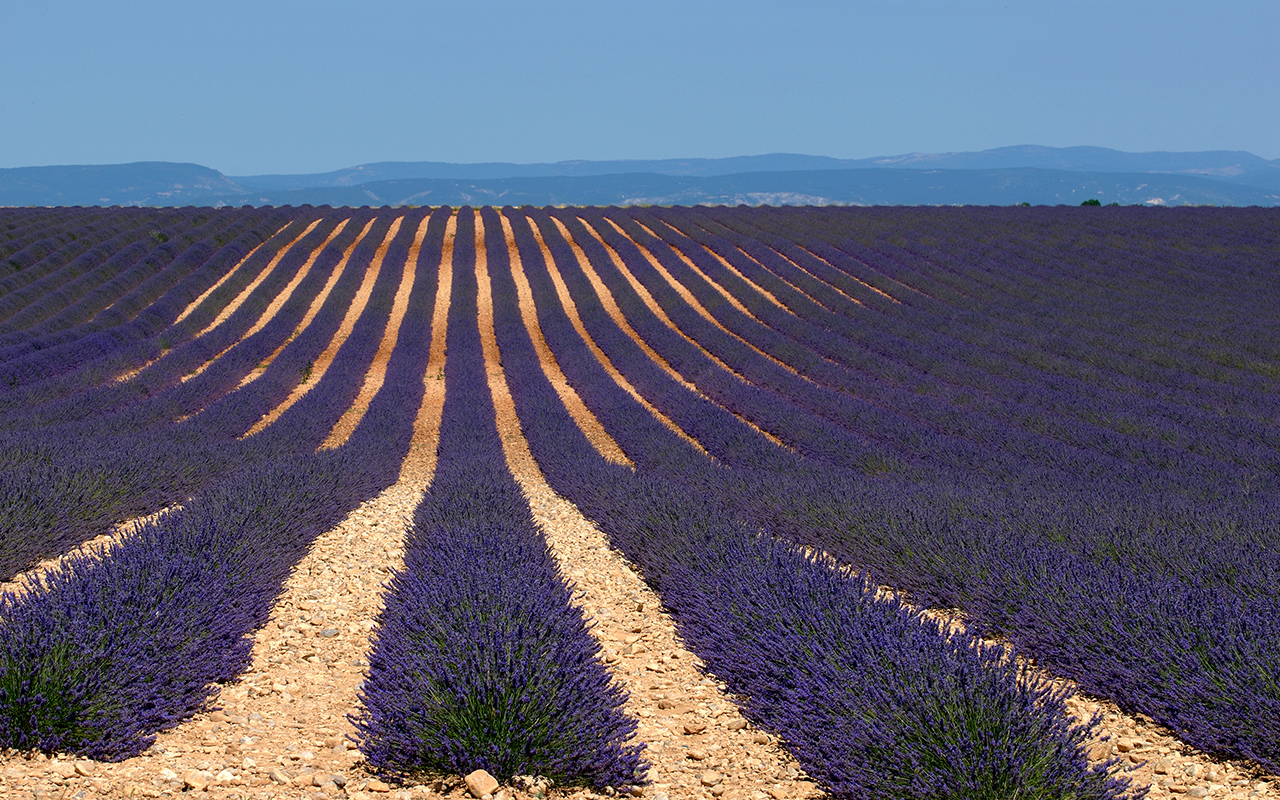
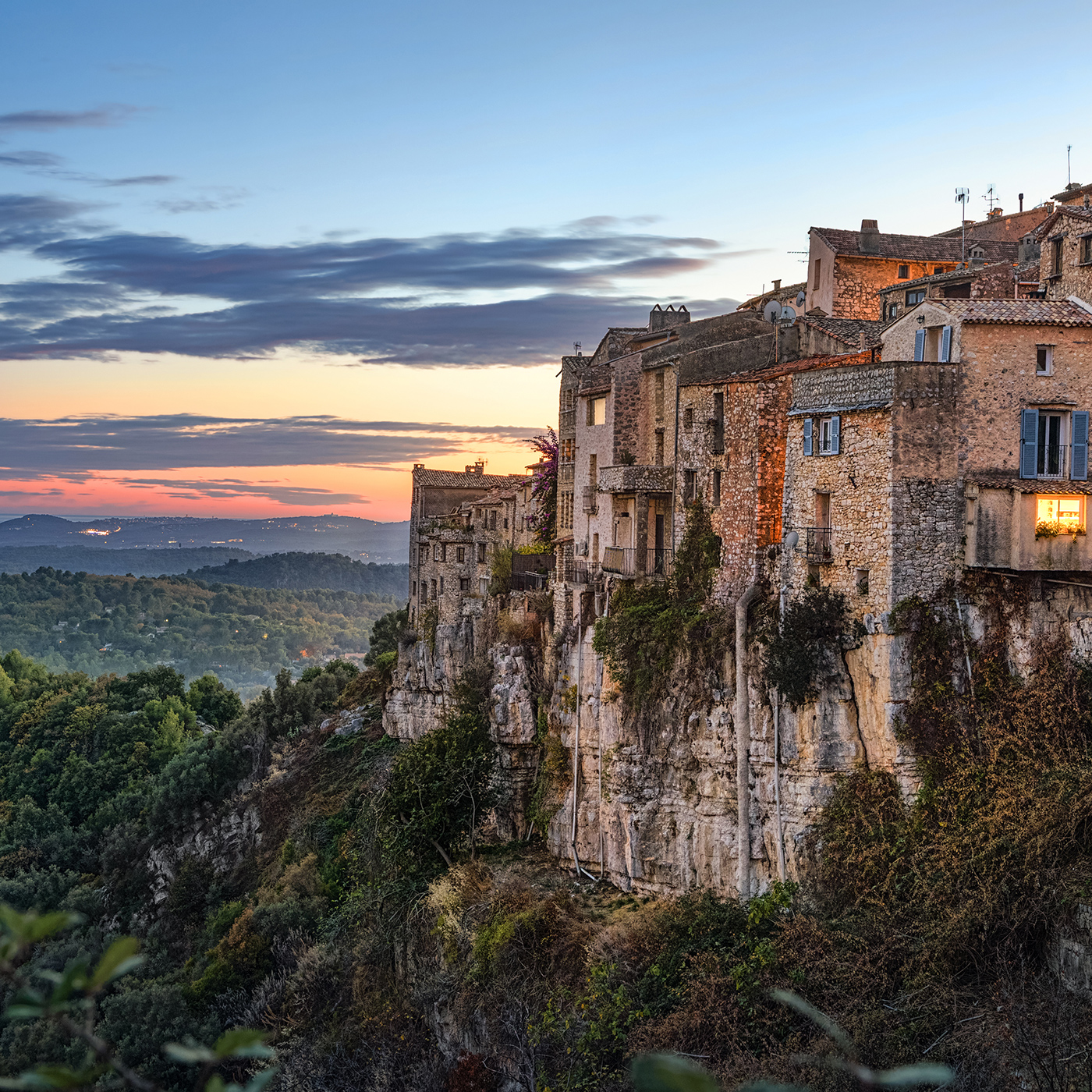
Ca răspuns, producătorii specializați de mănuși - cunoscuți sub numele de gantiers-parfumeurs - au început să parfumeze pielea pentru a rafina atât mirosul, cât și experiența. Centre precum Grasse din Provence, deja stabilite pentru cultivarea botanică, au devenit esențiale pentru extragerea esențelor florale și pentru evoluția parfumeriei ca disciplină distinctă.
Marie Antoinette și parfumul
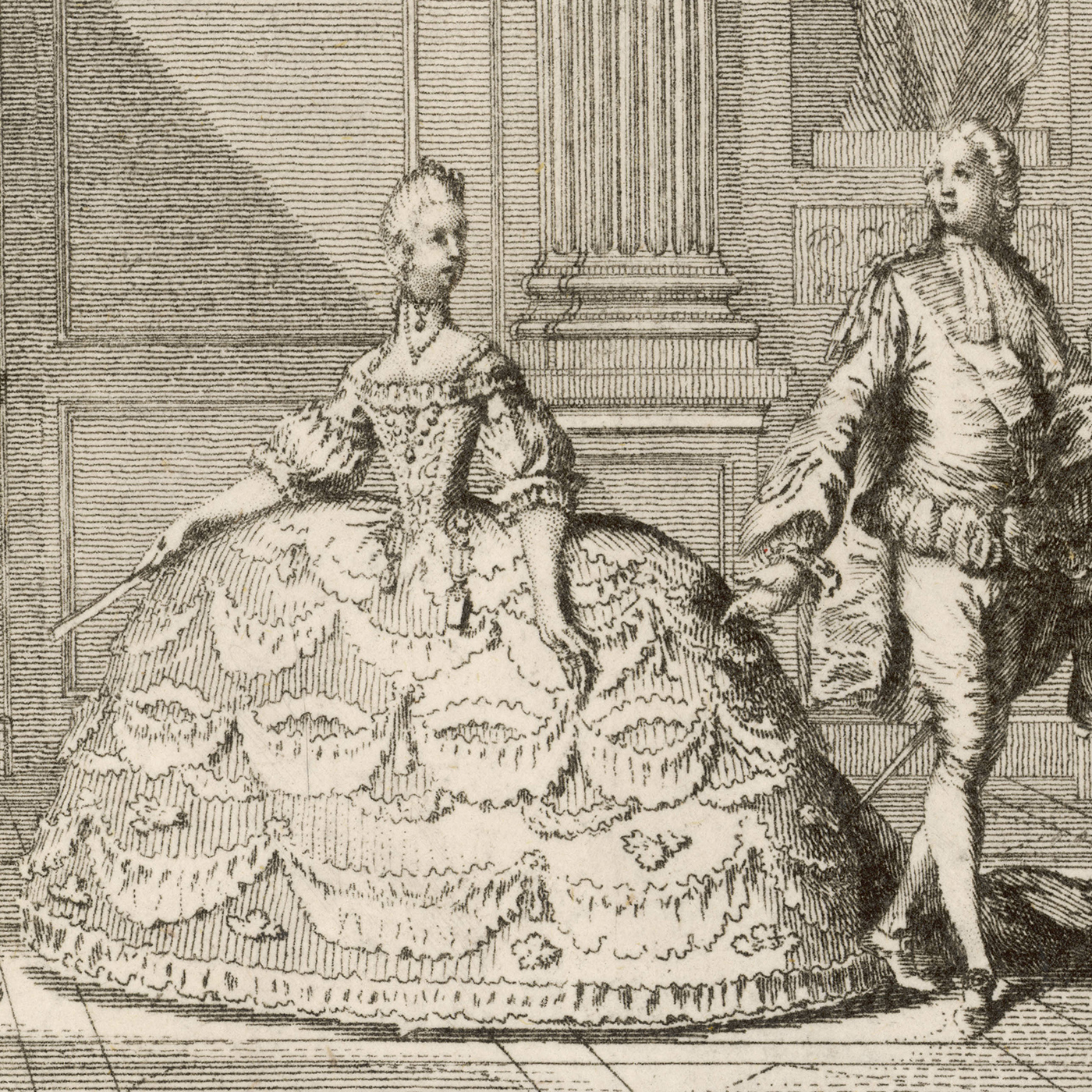
La sfârșitul secolului al XVIII-lea, parfumul a devenit o parte integrantă a vieții cotidiene la curtea franceză. Marie Antoinette a colaborat îndeaproape cu maestrul parfumier Jean-Louis Fargeon, comandând parfumuri adaptate diferitelor contexte și momente, inclusiv compoziții concepute pentru a parfuma apa de baie și interioarele private.
Această relație strânsă între patron și parfumier reflectă o înțelegere timpurie a parfumului ca fiind situațional și atmosferic - compus pentru a răspunde contextului mai degrabă decât ca o identitate unică, fixă. Relatările contemporane sugerează că parfumul ei distinctiv era atât de ușor de recunoscut încât a contribuit la identificarea ei în timpul zborului eșuat spre Varennes.
Industrializarea parfumeriei britanice
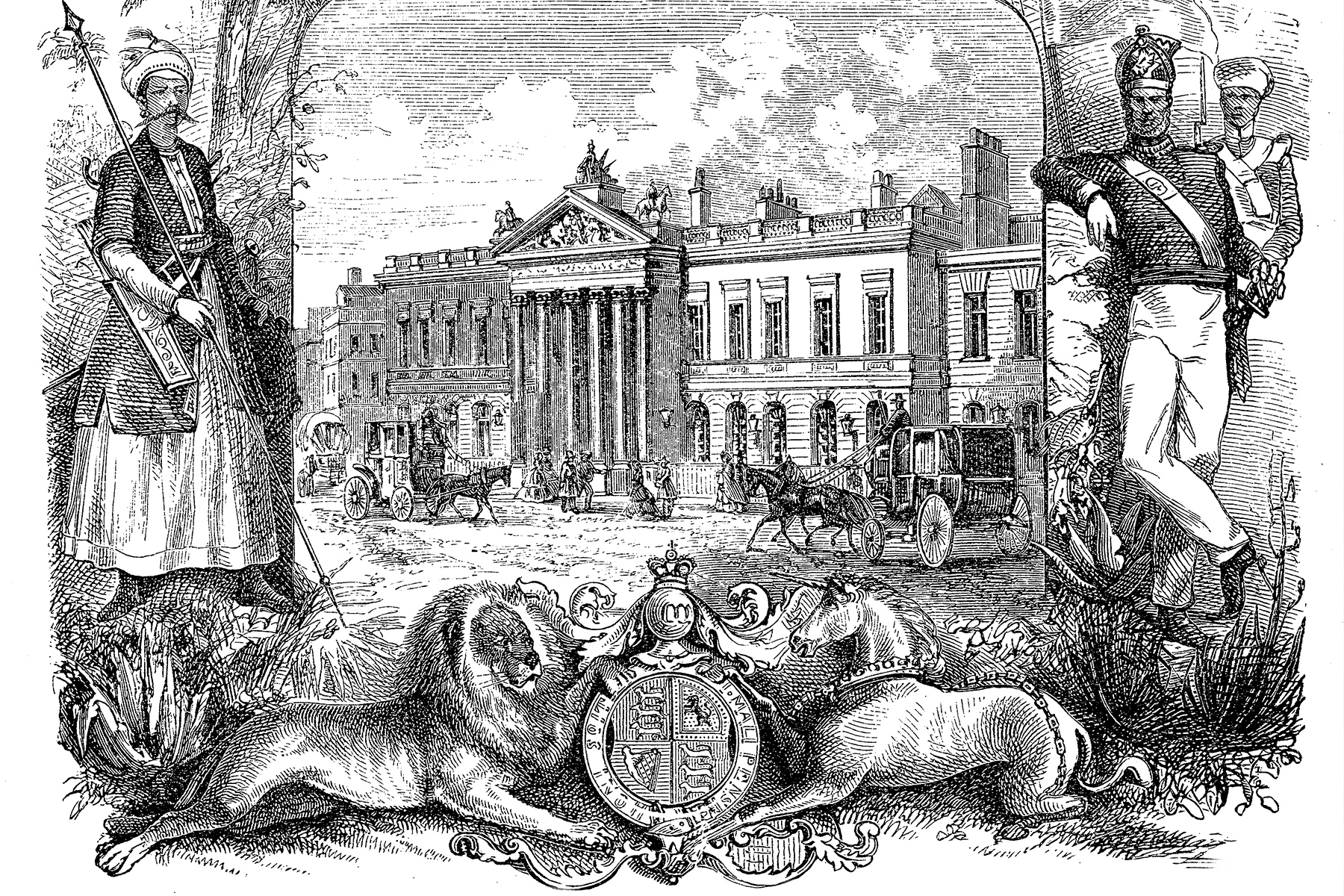
Tulburările politice de la sfârșitul secolului al XVIII-lea și din secolul al XIX-lea din Europa, inclusiv Revoluția Franceză, au deplasat centrul producției de parfumuri către Marea Britanie. Industrializarea rapidă și progresul tehnologic au permis producerea, distribuirea și comercializarea parfumurilor la scară largă.
Sprijiniți de rețele comerciale globale și de organizații precum Compania Indiilor Orientale, parfumierii britanici au obținut acces la o gamă extinsă de condimente, rășini și materiale aromatice. Această convergență a industriei, a materialelor și a cererii consumatorilor a pus bazele parfumeriei moderne ca disciplină globală.
Natura întâlnește știința
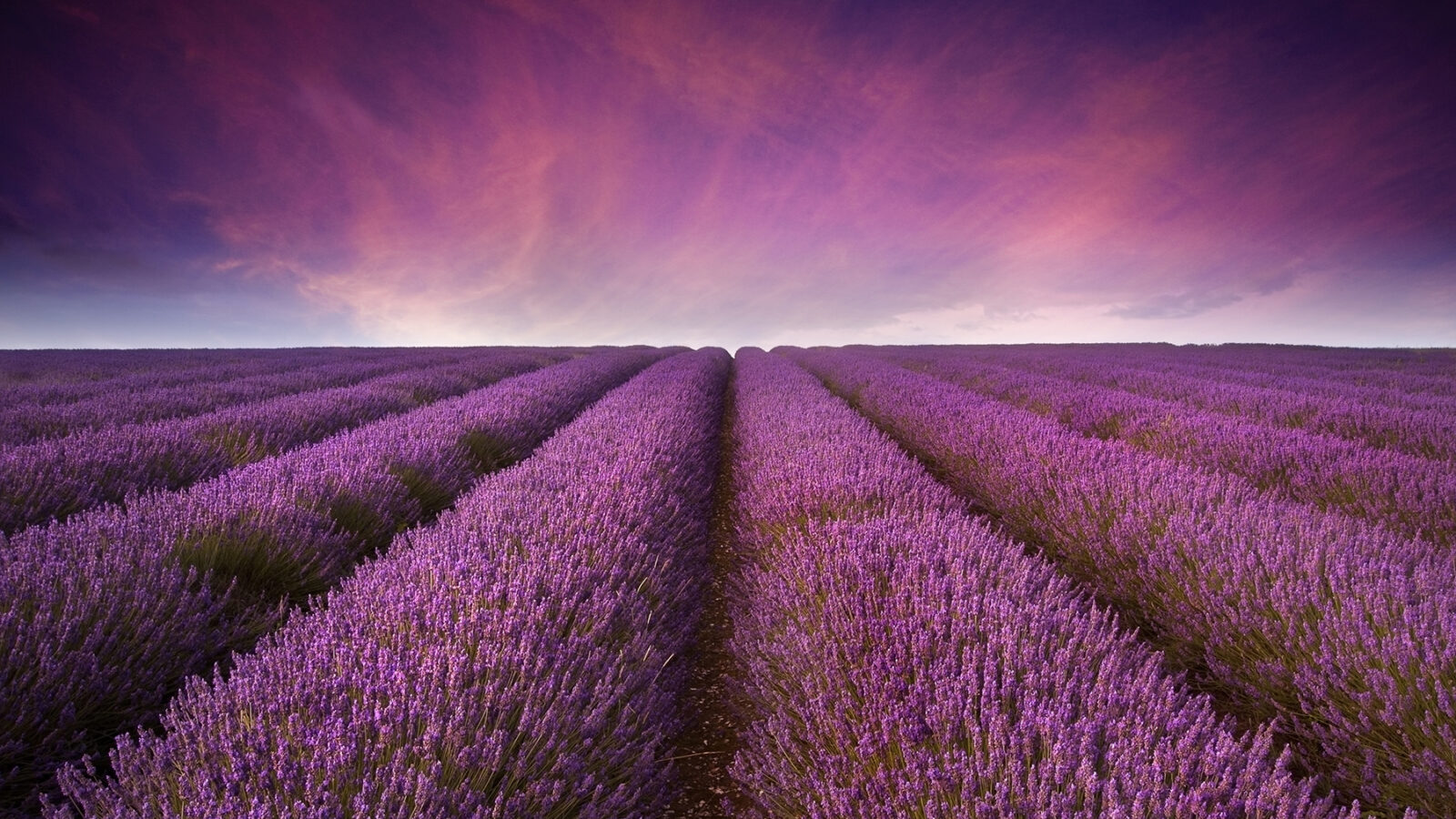
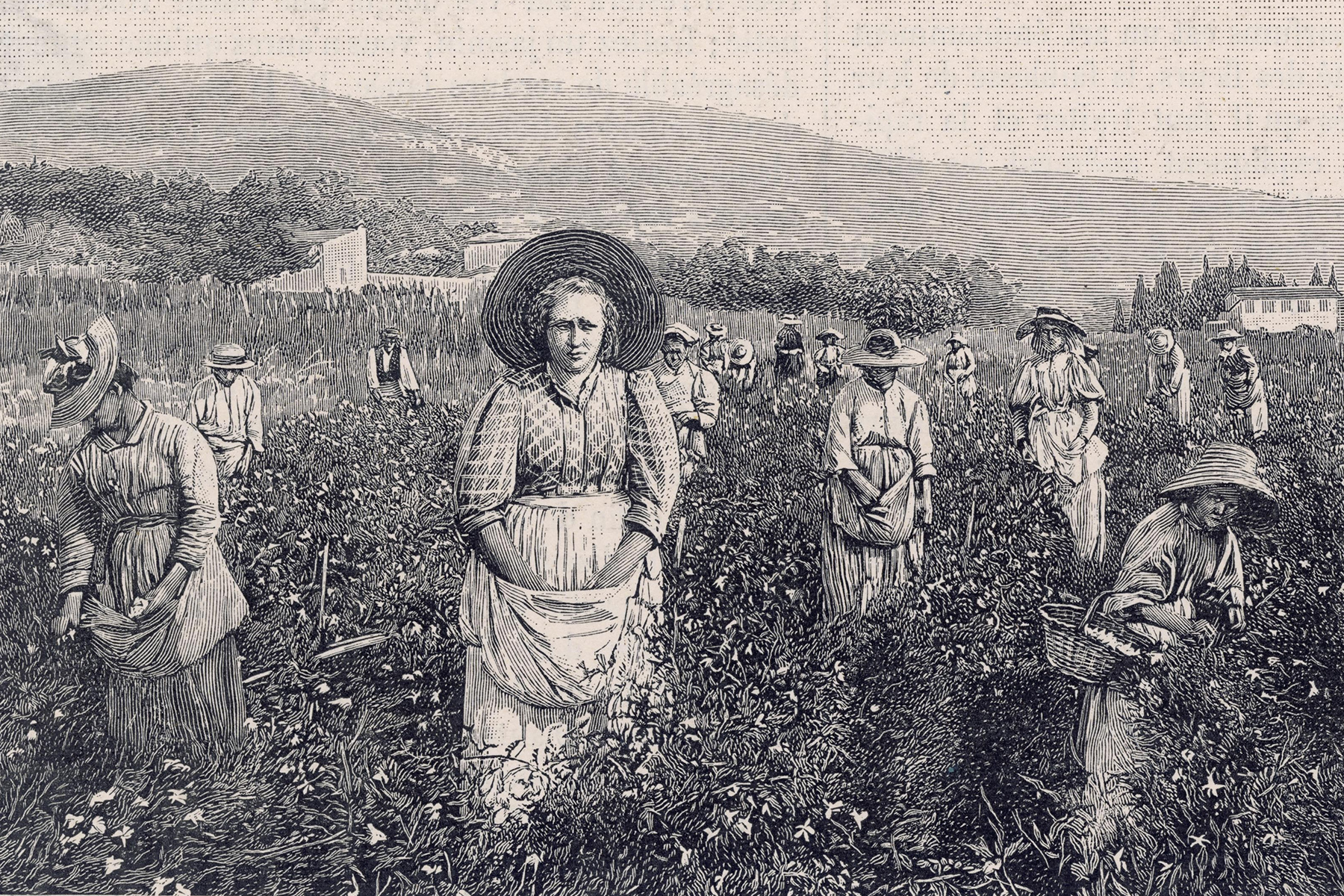
În mod tradițional, parfumeria era compusă din botanice - materiale aromatice derivate din flori, semințe, lemn și rășini. Deși aceste ingrediente au definit limbajul inițial al mirosului, variabilitatea lor naturală a impus limite privind consistența, controlul și performanța.
Progresele științifice au extins această paletă. Sinteza de la sfârșitul secolului al XIX-lea a moleculelor-cheie de aromă, precum vanilina și cumarina, a marcat apariția parfumeriei moderne, permițând compoziții care puteau extinde, rafina sau transcende materialele naturale. Această schimbare a introdus o nouă precizie în proiectarea parfumurilor, modelând disciplina așa cum există ea astăzi.
De la supraviețuire la bunăstare
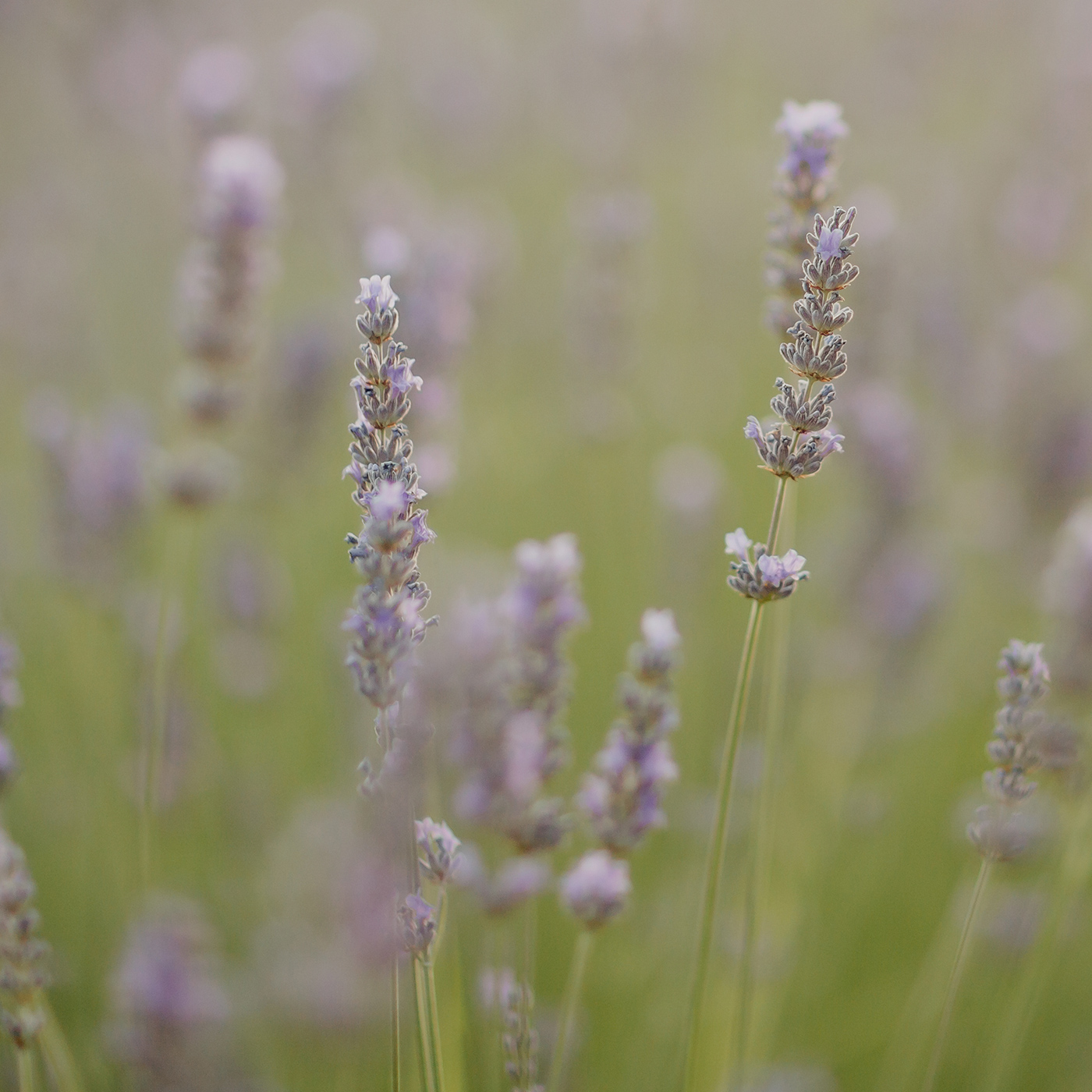
Compușii volatili eliberați de plante au influențat mult timp comportamentul uman, servind inițial drept semnale de hrană, pericol și schimbare a mediului. Astăzi, parfumul continuă să acționeze la acest nivel fundamental, modelând atmosferele interioare și interacționând cu prezența corpurilor și a hainelor noastre în spațiu.
Simțul mirosului este un sistem biologic primar de supraviețuire, evaluând continuu mediul înconjurător prin intermediul neuronilor olfactivi specializați care se conectează direct la creier. La CRANBOURN®, lucrăm cu această inteligență senzorială în mod intenționat - compunând parfumuri care se integrează în mediile de zi cu zi și susțin bunăstarea senzorială™ prin atmosfere controlate, luate în considerare.